Independent research & image archive
The Great Sphinx of Giza
Archaeology, history, primary sources and historical images
For more than four thousand years, the Great Sphinx has been buried and uncovered, worshipped and neglected, excavated and restored, photographed, measured, interpreted and reinterpreted.
This independent research resource brings together the archaeology and history of the monument with early travellers’ accounts, excavation records, historic photographs and illustrations, scholarly publications, and original investigations into some of the Sphinx’s less familiar stories.
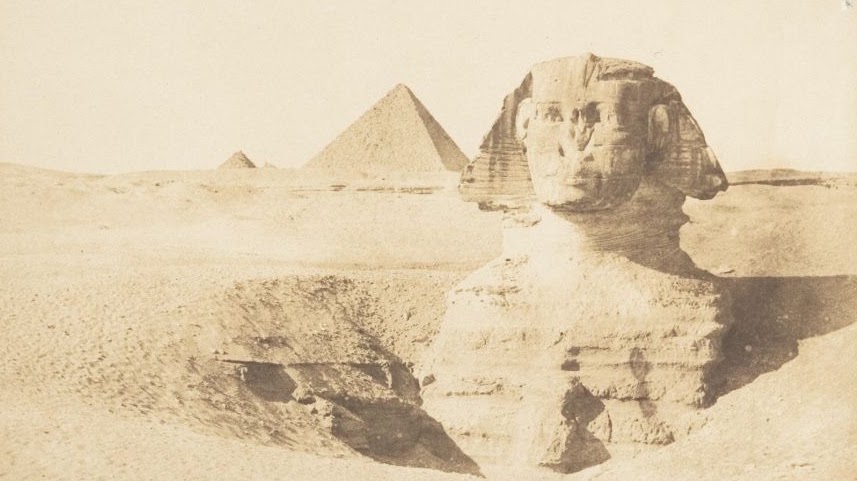
The Great Sphinx at a glance
The Great Sphinx stands on the Giza Plateau in Egypt beside the pyramid complex traditionally associated with the Fourth Dynasty king Khafre. Carved principally from the natural limestone bedrock, it combines the body of a recumbent lion with a human head wearing the royal nemes headdress.
The monument measures approximately 73.5 metres long, 19.1 metres wide across the haunches, and about 20 metres high. Most Egyptologists place its creation in the Fourth Dynasty, probably during the reign of Khafre in the 26th century BCE, although aspects of its date, identity, purpose and subsequent history continue to be investigated and debated.
c. 73.5 mtotal length
c. 20 mmaximum height
Giza limestonebedrock and masonry repairs
Fourth Dynastyconventional date
About the Great Sphinx
An introduction to the monument, its history, names, setting and archaeological context.
Frequently Asked Questions
Who built it? How old is it? What happened to its nose? What lies beneath it?
Dimensions & Survey Data
Detailed measurements of the monument based on modern archaeological survey.
Investigations & Original Research
Beyond the familiar questions about the Sphinx are stories preserved in old excavation reports, travellers’ accounts, forgotten photographs and fragments of archaeology that have since disappeared. These articles follow the evidence through the original sources.
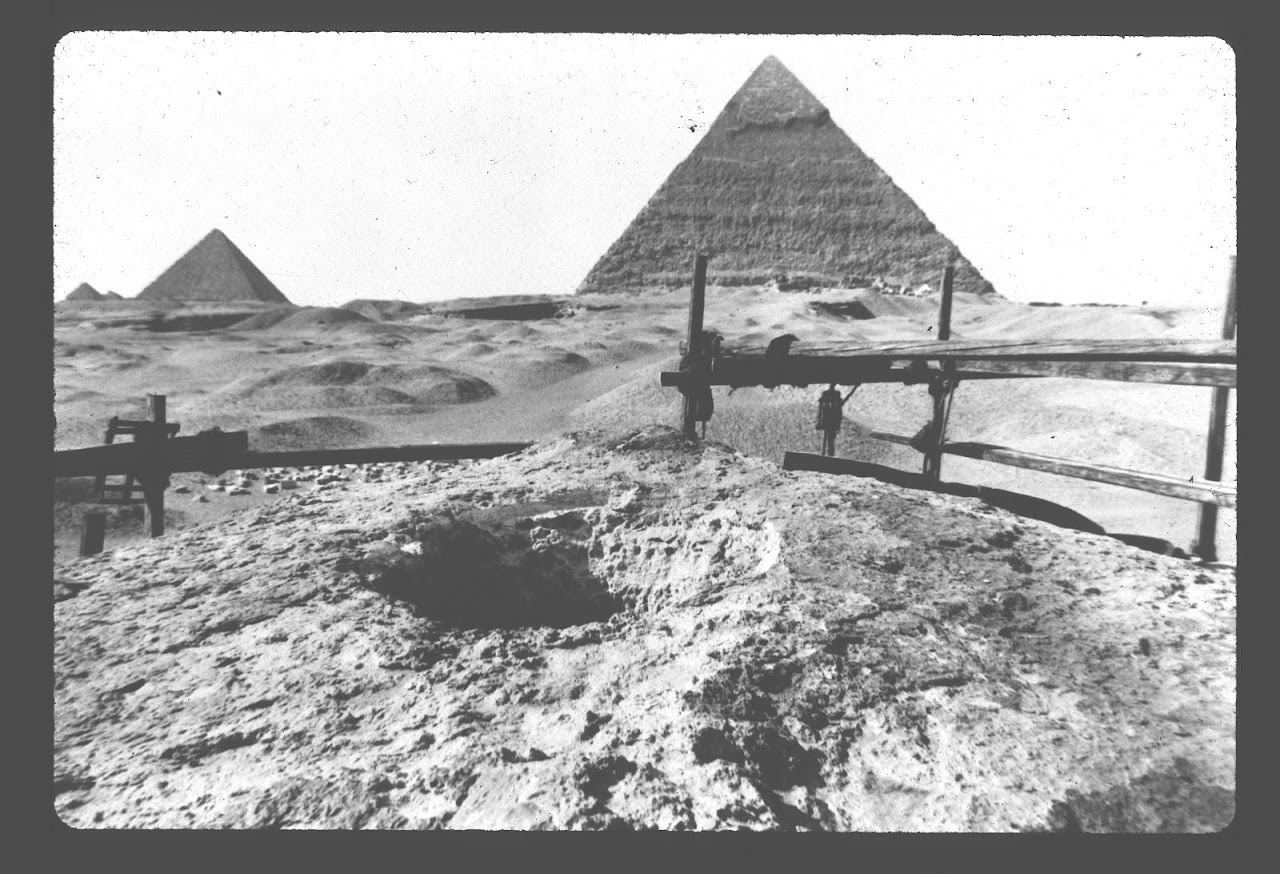
Tunnels and Chambers of the Great Sphinx
How reports of genuine shafts, fissures and openings developed over centuries into stories of hidden chambers beneath the monument.
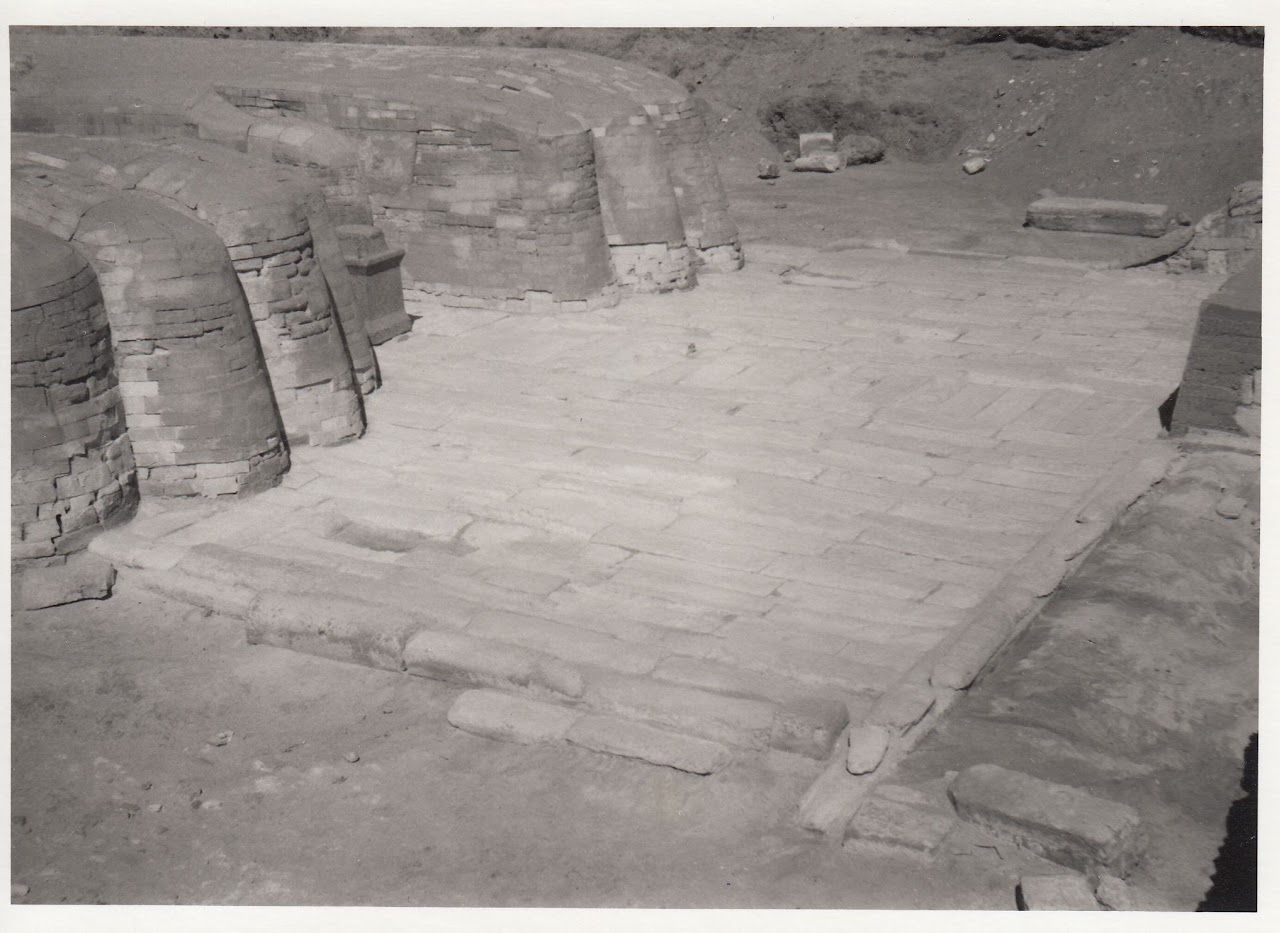
The Roman Remains at the Great Sphinx
The lost staircase, paving, inscriptions and other remains that once surrounded the Sphinx during the Roman period.
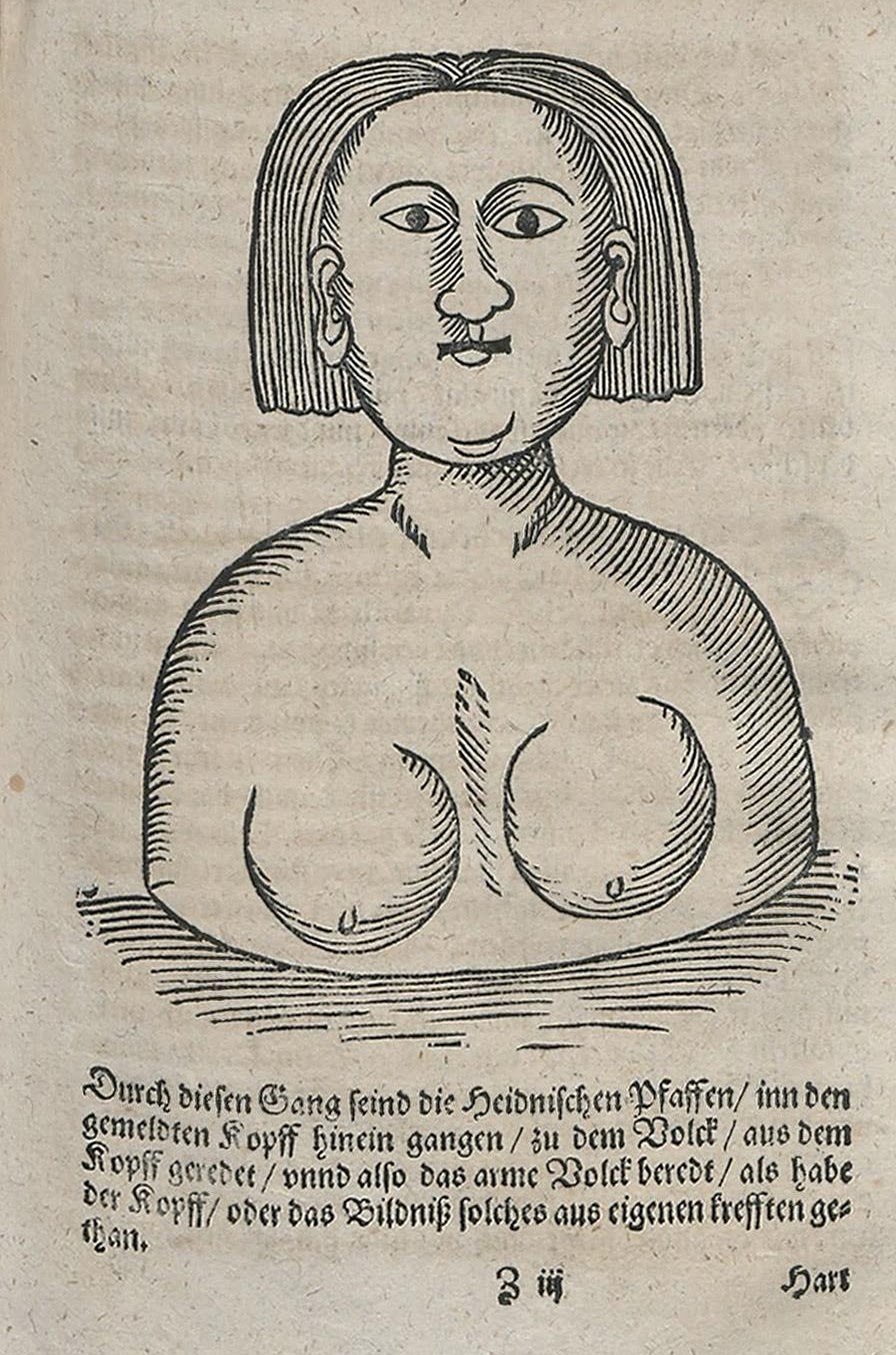
The Sex of the Great Sphinx
Why travellers and scholars spent centuries disagreeing over whether the Great Sphinx was male or female.
Continue to Tunnels and Chambers, Part 2 — Death and Resurrection →
Historical Image Archive
For centuries the Great Sphinx was known to much of the world through drawings, engravings and, eventually, photographs. These images record not only the changing appearance of the monument, but changing ideas about what it was.
Explore the Sphinx from the strange and imaginative representations of the sixteenth and seventeenth centuries to the first generation of archaeological drawings and the dawn of photography.

16th–18th centuries — Imagining the Sphinx
Early European artists tried to reconstruct a monument that most had never seen and that remained largely buried in sand.
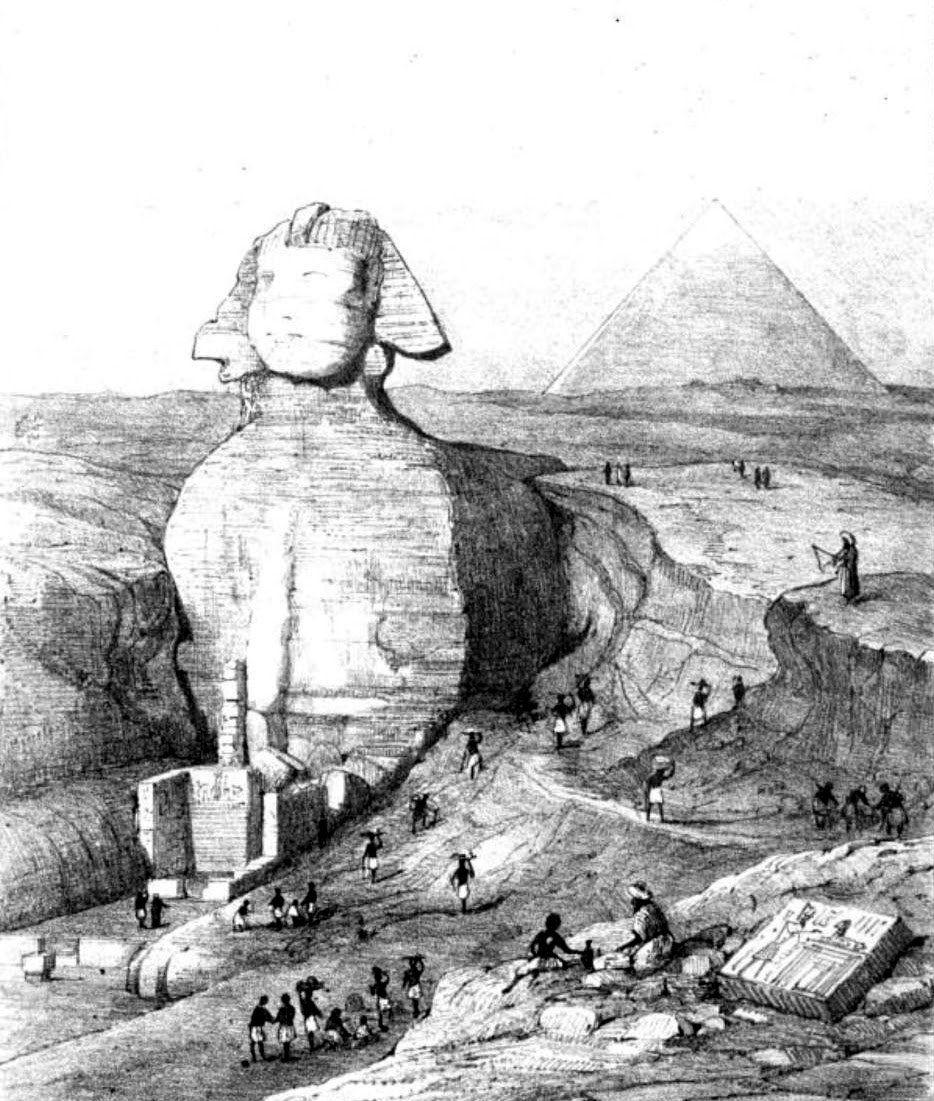
Early 19th century — Exploration and excavation
The Sphinx increasingly became a subject of measured observation, excavation and archaeological recording.
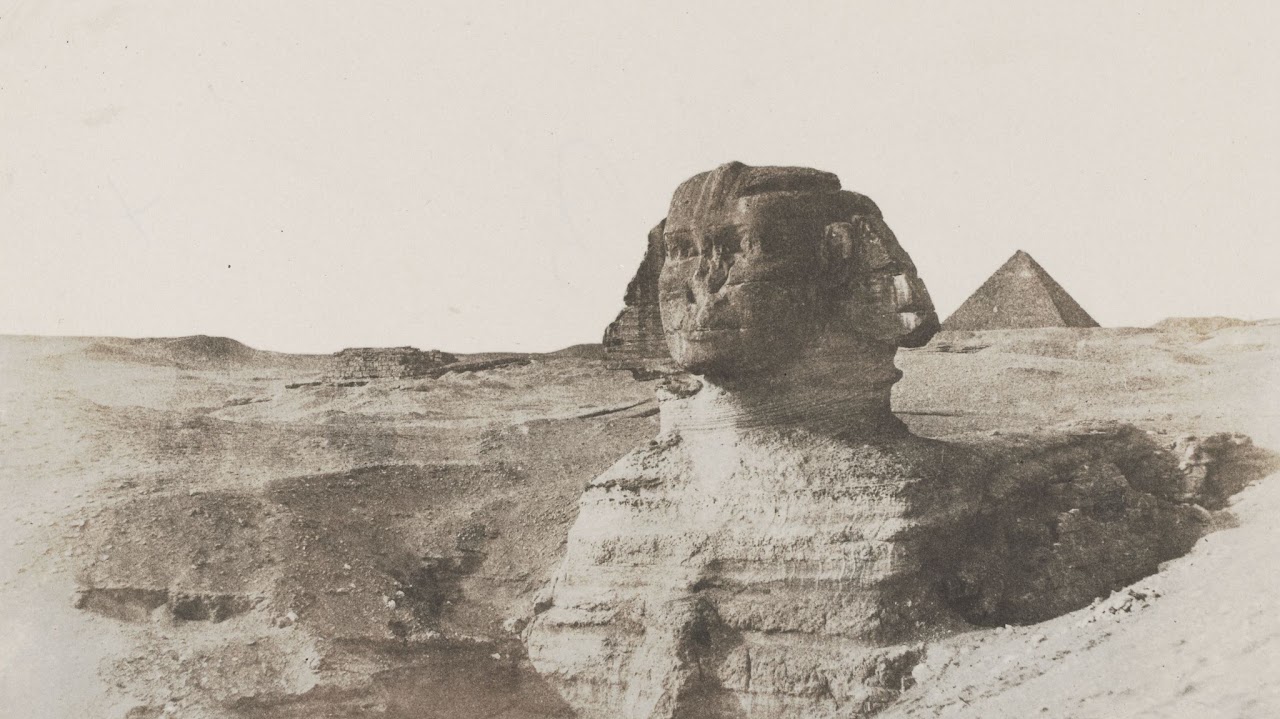
Mid-19th century — The dawn of photography
The first photographers transformed the Sphinx from an illustrated wonder into an archaeological subject preserved in extraordinary detail.
Sources & Research Library
Research into the Great Sphinx is scattered through more than two thousand years of written sources, excavation reports, photographs, archaeological archives and scholarly publications. This section provides routes into both the original material and modern research.
Books & Articles
Primary texts, excavation publications and scholarship on the Great Sphinx.
ARCE Sphinx Project 1979–1983 Archive
Photographs, survey records and documentation from the modern Sphinx project.
Archives Lacau
Rare photographs preserving Baraize’s excavations, restorations and vanished features.
The Giza Archives
A gateway to excavation records, photographs, plans and publications from Giza.
Digital Giza
Harvard’s digital environment for exploring the monuments, records and archaeology of Giza.
Denkmäler / Lepsius
Nineteenth-century plates preserving inscriptions, monuments and details that have since changed or disappeared.
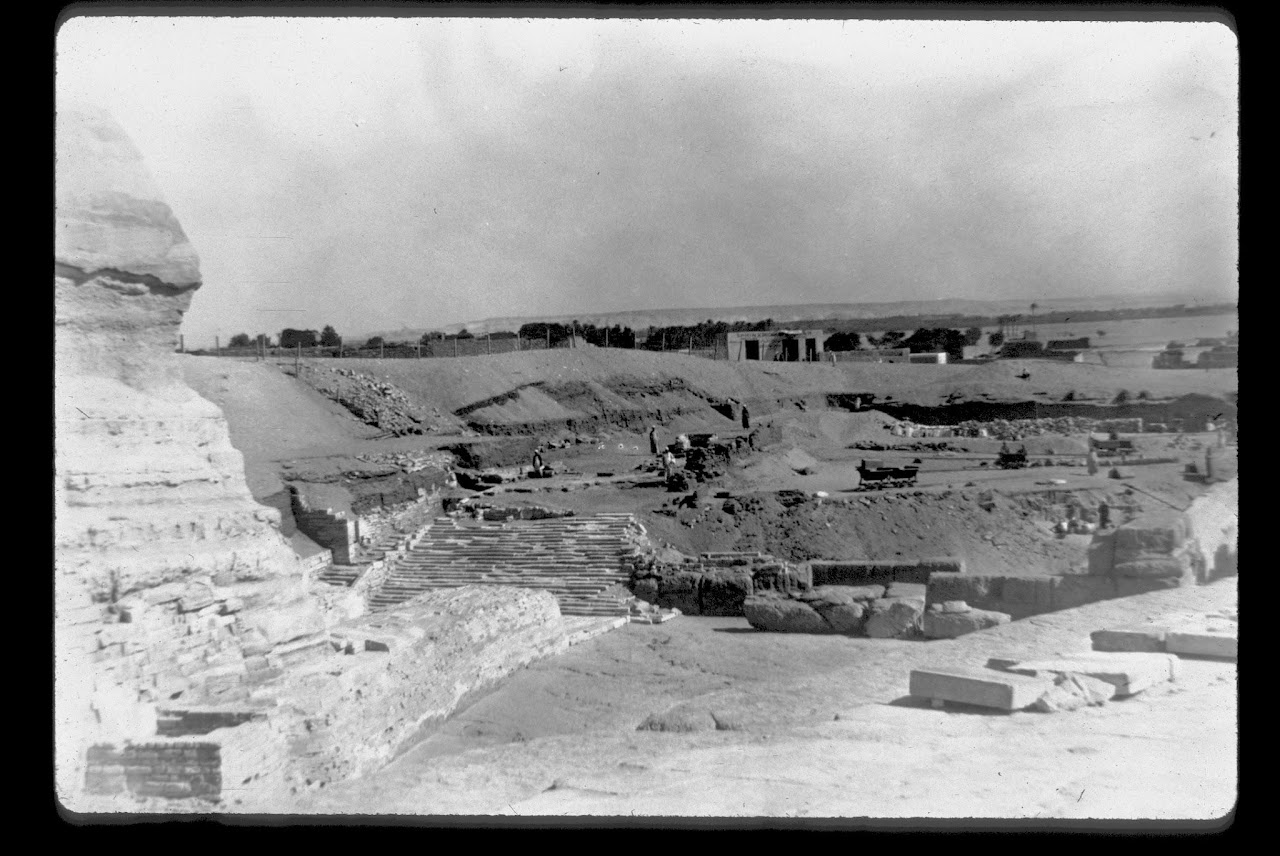
Featured from the archive
The Sphinx during excavation and restoration
During the twentieth-century clearance of the Great Sphinx, Émile Baraize’s excavations exposed an extraordinary accumulation of ancient construction, repair and later activity around the monument. Photographs from the Archives Lacau preserve details that were altered or removed during the work itself.
About this resource
The Great Sphinx of Giza Resource Page is an independent research and image archive devoted to the history, archaeology and representation of the Great Sphinx.
Wherever possible, articles are based on archaeological publications, primary historical sources and archival material, with links to digitised originals and further reading. Historical illustrations and photographs are identified and credited to their source collections, and original investigations are distinguished from established archaeological interpretation.
The aim is simple: to make both the familiar and the forgotten evidence for the Great Sphinx easier to find, examine and understand.