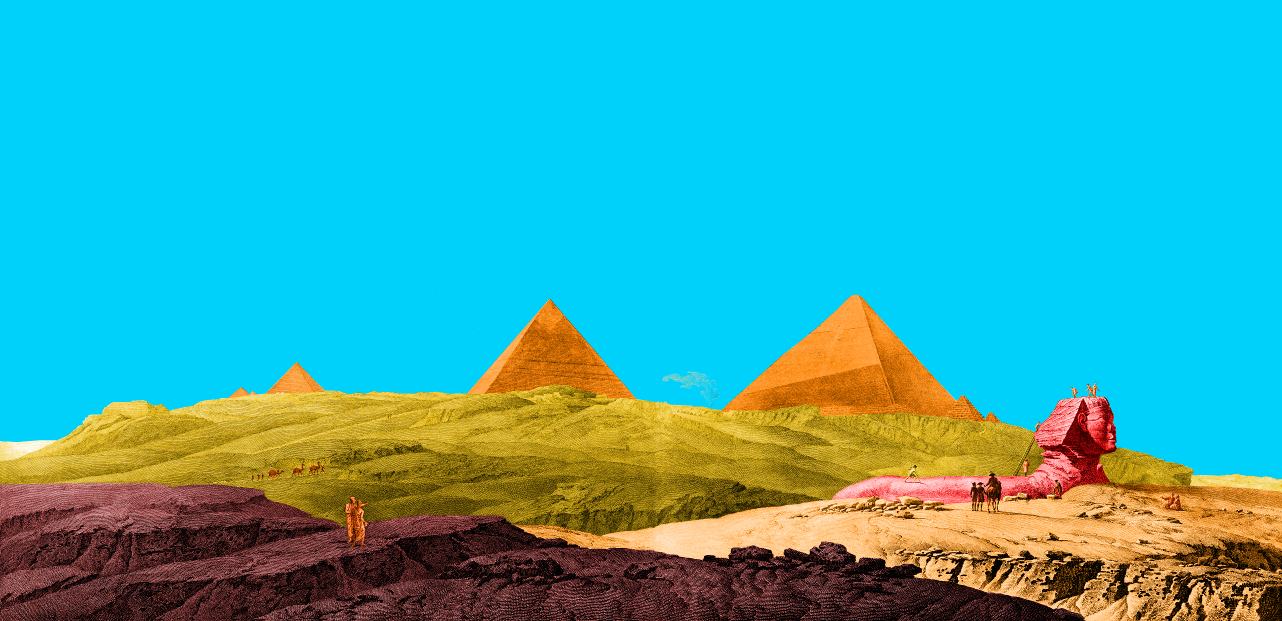
About the Great Sphinx of Giza
Most people recognise the Great Sphinx instantly. A lion’s body. A human head. The pyramids of Giza behind it. Few monuments on Earth are more familiar.
But familiarity can be deceptive.
The Great Sphinx has no surviving Old Kingdom inscription telling us who carved it, what its builders called it, or exactly what they intended it to represent. It has spent long periods buried almost to the neck in sand, has been cleared and repaired repeatedly, has lost parts of its face and royal regalia, has acquired new names and new religious meanings, and has inspired arguments about its age, identity, appearance and even whether it once had a companion.
This page is not intended to settle all of those questions. It is an invitation to explore them.
First, the familiar outline
The Great Sphinx stands on the eastern side of the Giza Plateau in Egypt. It is carved principally from the natural limestone bedrock and takes the form of a recumbent lion with a human, royal head.
It is enormous: approximately 73.5 metres long, about 20 metres high, and roughly 19 metres wide across the haunches.
The conventional Egyptological attribution places its creation in the Fourth Dynasty of the Old Kingdom, around the middle of the third millennium BCE. Khafre is the king most commonly proposed as its patron, largely because of the Sphinx’s archaeological relationship with his pyramid complex, causeway and neighbouring temples. Khufu and Djedefre have also been proposed.
There is, however, no surviving inscription that simply says: Khafre built the Sphinx.
Explore: Who built the Great Sphinx? Dimensions of the Great Sphinx
We do not know what its builders called it
One of the oddest facts about one of the world’s most famous monuments is that its original name is unknown.
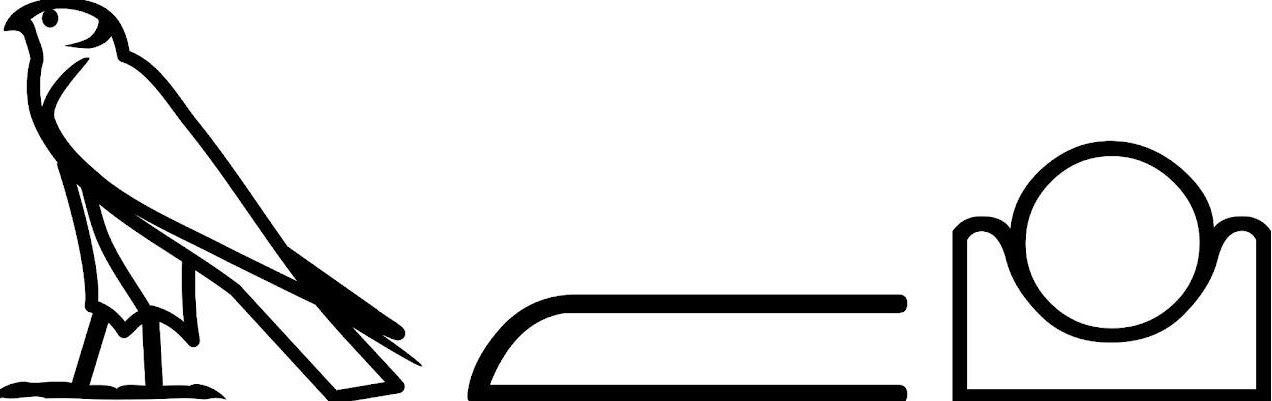
By the New Kingdom, around a thousand years after the conventional date of its construction, the Sphinx was worshipped as Horemakhet (Hr-m-akhet), usually translated as “Horus in the Horizon.” The name appears in the later cult of the monument and is closely associated with its solar character.
The monument has accumulated other names as cultures encountered and reinterpreted it. The Greeks knew the Egyptian monument through the language and imagery of the sphinx; Arabic tradition gave us Abu al-Hawl, commonly rendered “Father of Terror.” Other historical forms and divine associations appear in the record as well.
So the name by which almost everyone now knows the monument is not the name its original sculptors are known to have used. That name, if there was a specific one, has disappeared.
Who built it — and why?
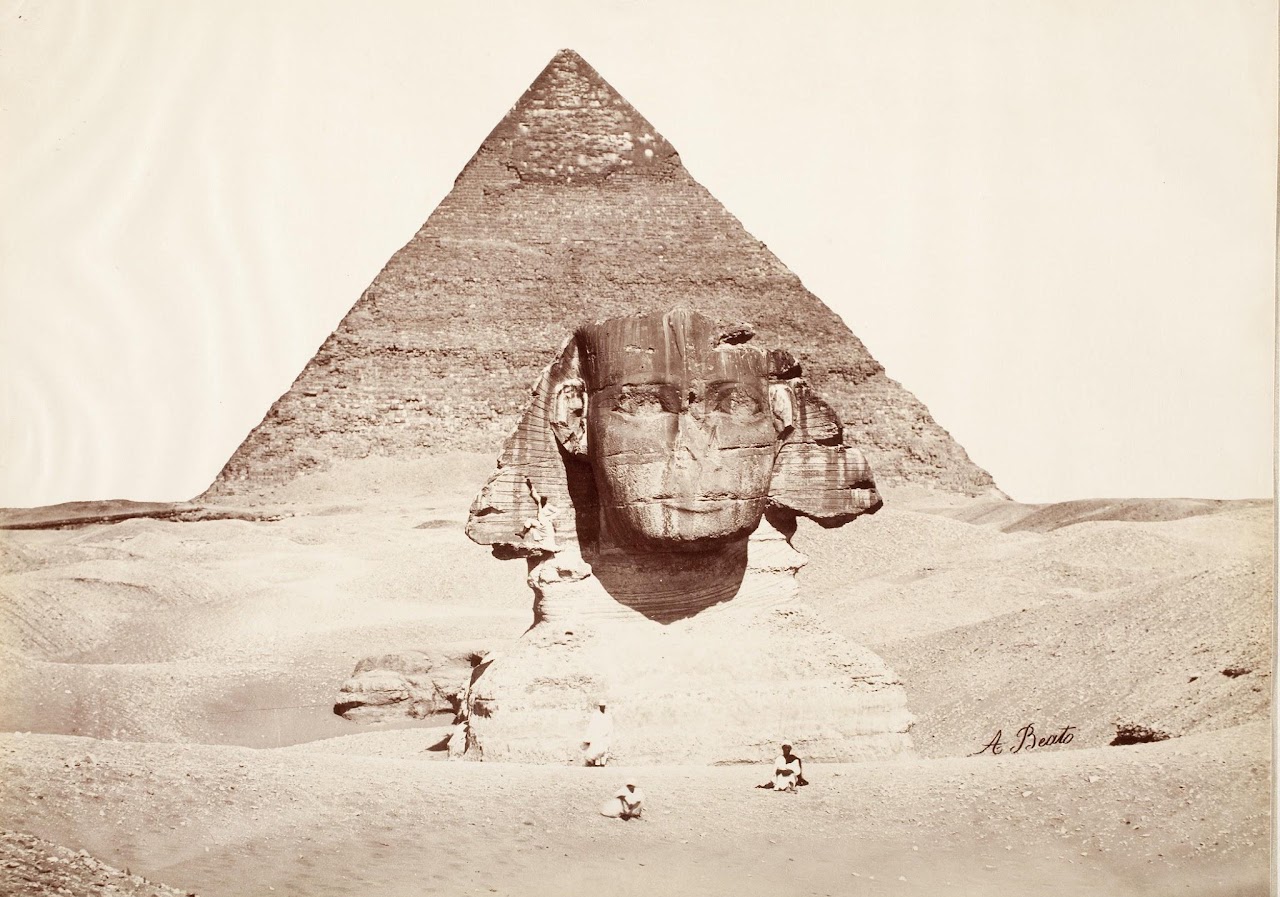
Khafre is the attribution favoured by most Egyptologists from the currently available archaeological evidence. The Sphinx lies beside monuments associated with his pyramid complex, and the quarrying and construction sequence around the Sphinx and neighbouring temples forms an important part of that case.
But the builder question has never been closed by a contemporary dedicatory inscription. That gap has left room for other proposals.
Khufu, builder of the Great Pyramid, has been suggested by some researchers. Djedefre, Khufu’s son and Khafre’s brother, has also been proposed. Others have argued that the monument itself may pre-date the Fourth Dynasty altogether.
Even if the conventional Khafre attribution is ultimately correct, we are still left with another question: what exactly was the Sphinx for? A royal image? A solar monument? A guardian? A divine form in its own right? Different aspects of the monument and its later cult point in several directions.
Explore the FAQs: Who built the Sphinx? What was the purpose of the Great Sphinx? Why was the Great Sphinx built?
How old is the Sphinx?
The mainstream archaeological chronology places the Sphinx in the Fourth Dynasty, around 2500 BCE.
A very different chronology has been argued by researchers including Robert Schoch, Robert Bauval and Graham Hancock, who have drawn attention to weathering, geology and astronomical interpretation in proposing a considerably earlier origin for the monument. Dates around 10,000 BCE, or even earlier, have entered the modern debate through these arguments.
The age question has consequently become one of the most famous controversies surrounding the Sphinx: archaeology, geology, climate history and archaeoastronomy have all been brought into the discussion.
The monument itself remains at the centre of it — a body cut through different limestone beds, bearing the effects of erosion, repair and exposure accumulated across thousands of years.
Explore: How old is the Great Sphinx?
Was the Sphinx’s head always human?
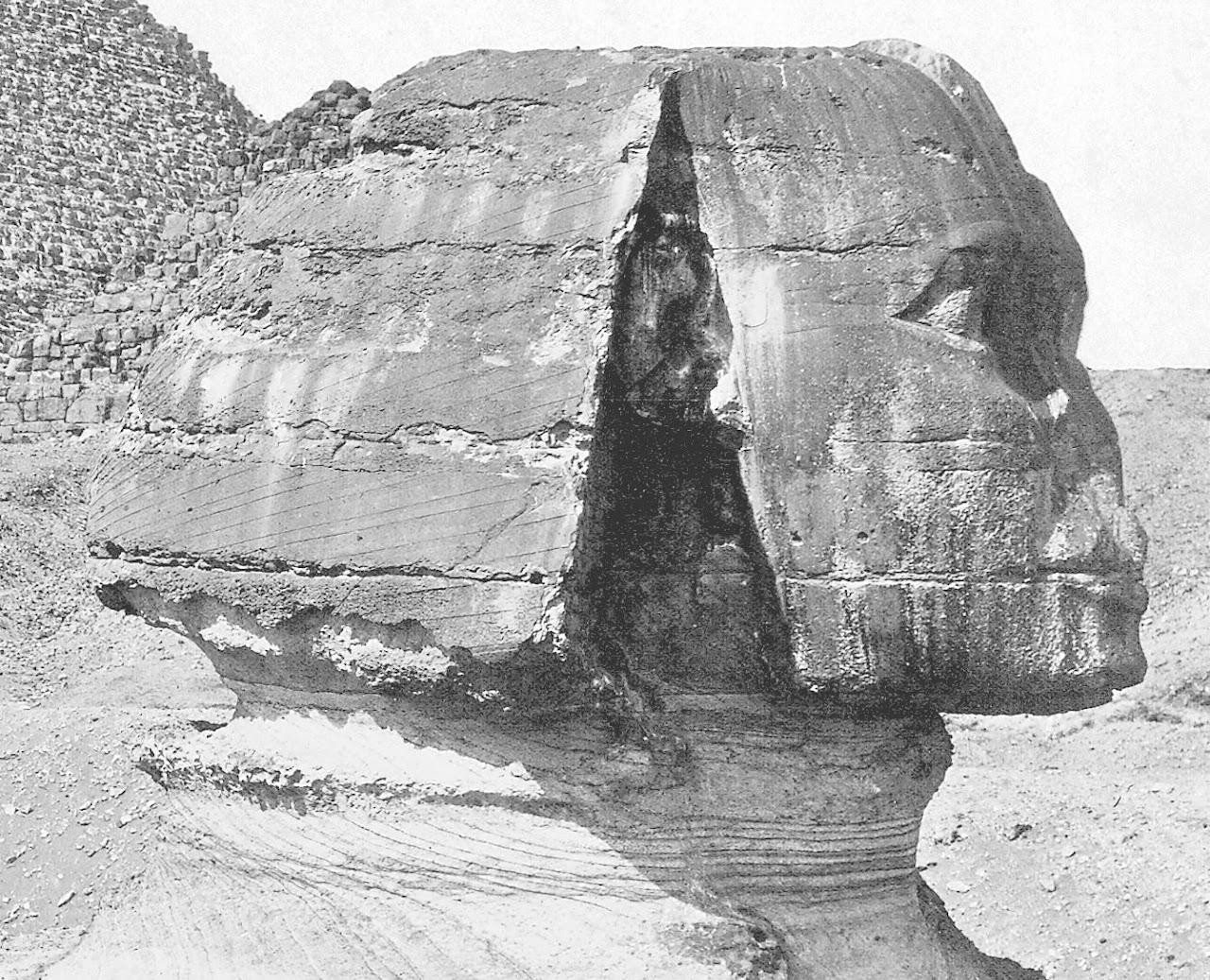
Stand beside the Sphinx — or look at a good side elevation — and one feature immediately attracts attention: the head looks small in relation to the enormous lion body.
That disproportion has encouraged the suggestion that the present head may be a later recarving of a larger original.
- an Anubis or jackal head, associated particularly with Robert and Olivia Temple;
- a larger lion’s head, proposed by Colin Reader;
- a falcon-headed or hieracosphinx form, suggested by Matt Sibson.
Whether any of these reconstructions reflects the monument’s original appearance is a separate question. What makes the subject interesting is that the proportions of the existing monument are real, and they have prompted very different attempts to explain them.
Explore: Whose face is on the Great Sphinx? When was the Great Sphinx built?
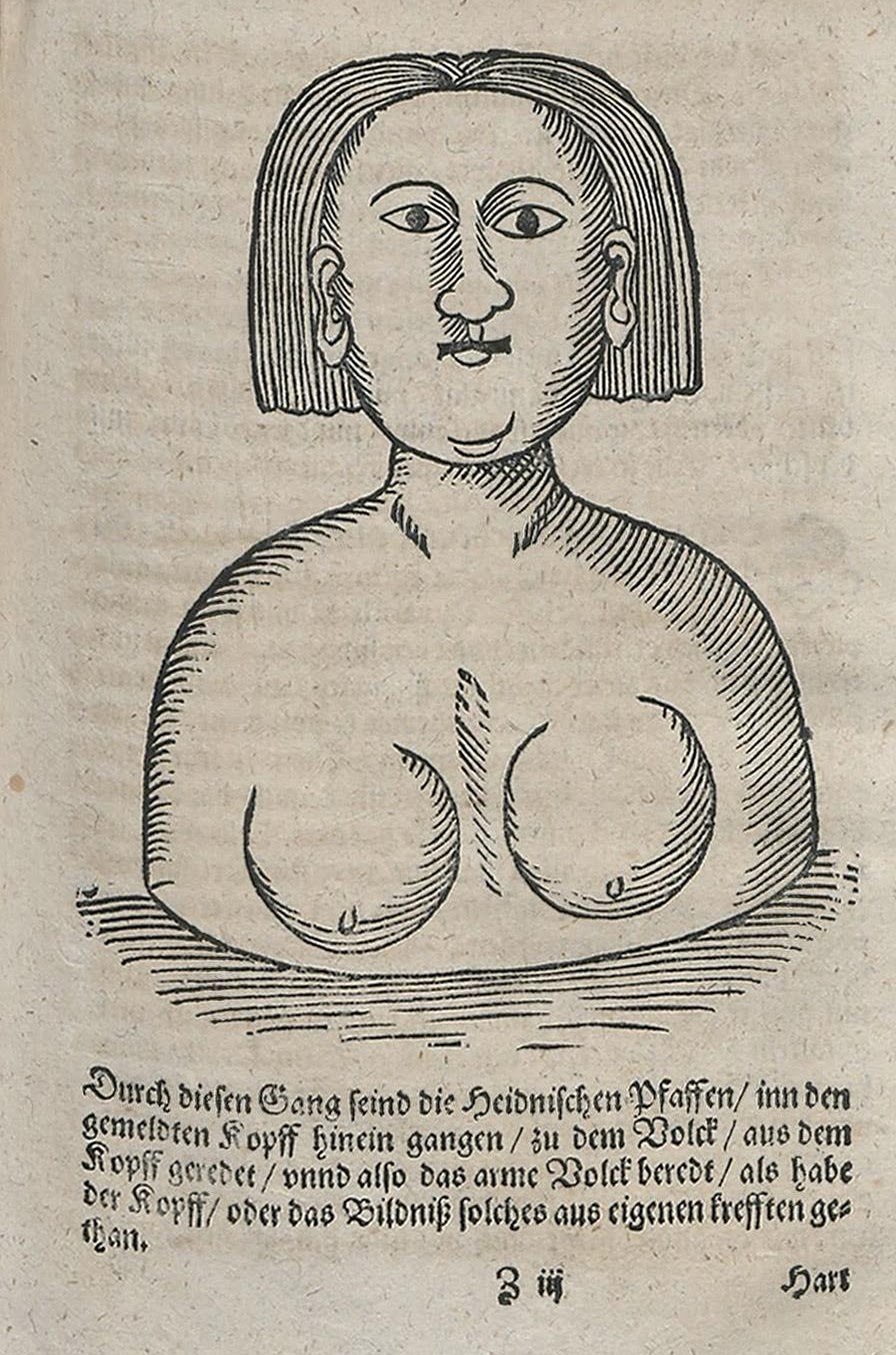
Male, female — or something less simple?
Today the Great Sphinx is generally described as male and royal. Earlier observers were not always so certain.
For centuries travellers, artists and antiquarians could describe or depict the Sphinx as female, sometimes linking it with Isis or with the female sphinx familiar from classical mythology. The monument’s damaged face, long burial in sand and the expectations visitors brought with them all played a part in how it was seen.
The surviving beard fragments seemed, to some nineteenth-century writers, to settle the matter. Yet Egyptian kingship itself complicates any simple modern equation between costume, beard and biological sex: royal regalia could express office and divinity as much as anatomy.
The result is a surprisingly rich history of people looking at the same monument and seeing different identities.
Explore: The Sex of the Great Sphinx of Giza
What lies beneath — and inside — the Sphinx?
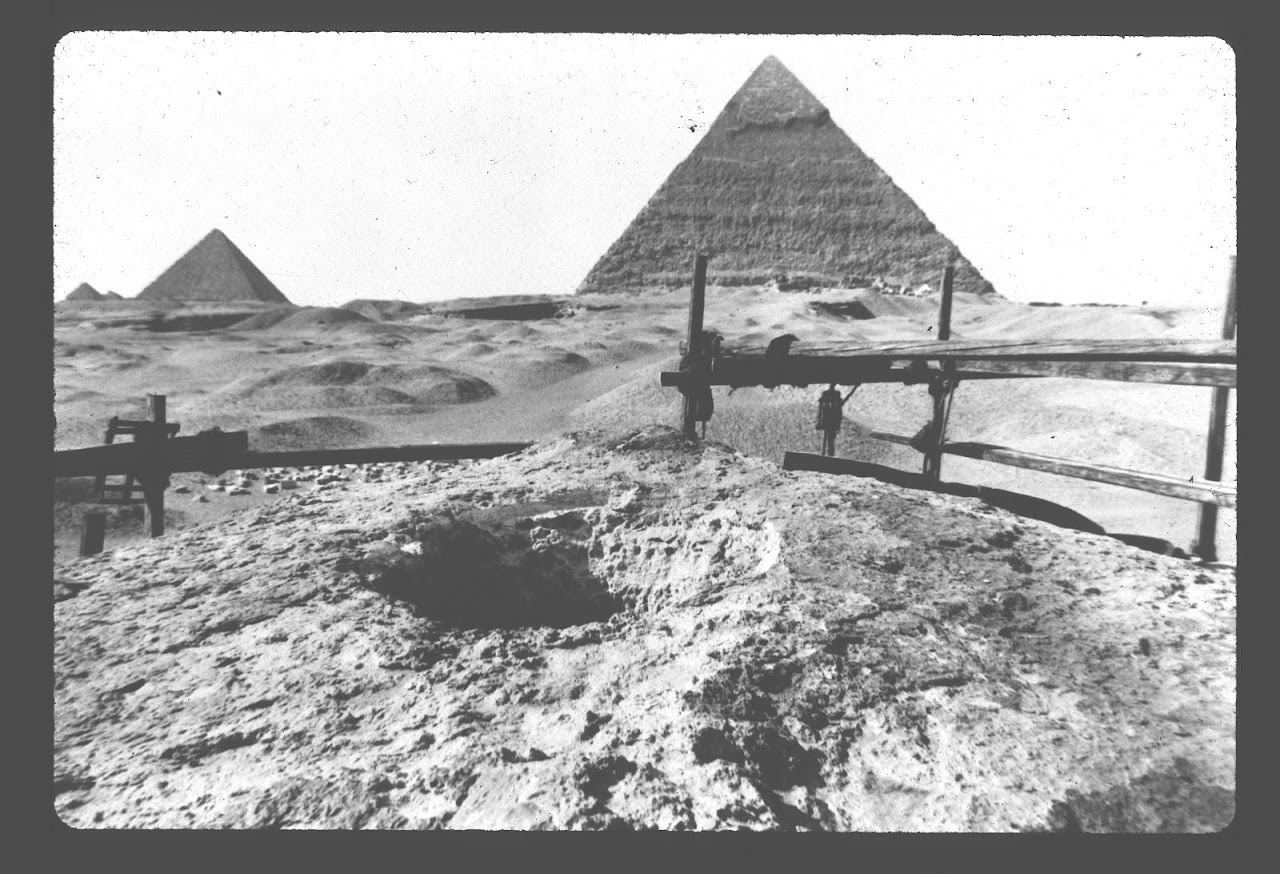
Stories of chambers beneath the Sphinx are among the most persistent legends in archaeology. They did not arise from nothing.
The monument and its enclosure contain real fissures, shafts, cavities and openings, while early explorers recorded and sometimes entered features that later became difficult to see beneath repairs or accumulated debris. Over time, these observations became entangled with much grander claims: subterranean rooms, passages to the pyramids, hidden records and the famous “Hall of Records.”
The interesting question is therefore not simply “Are there secret chambers?” It is also how genuine physical features of the monument developed into a much larger tradition of hidden spaces beneath Giza.
Explore: The Tunnels and Chambers of the Great Sphinx — Part 1 Part 2
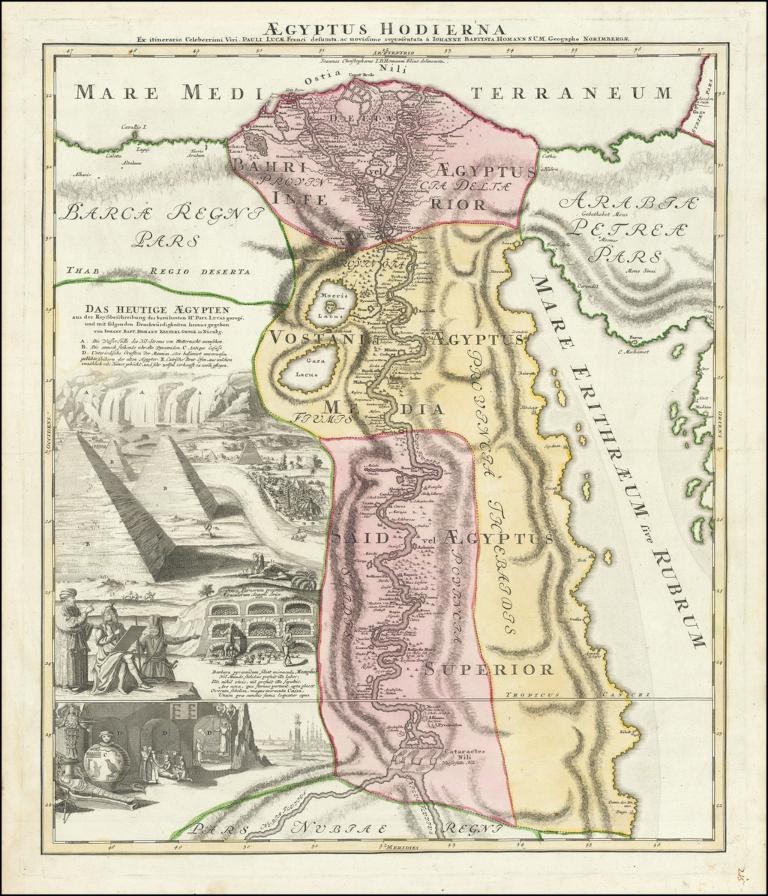
Was there ever a second Sphinx?
The idea of a second Sphinx sounds modern, but it has a surprisingly long pedigree.
A number of seventeenth- and eighteenth-century illustrations and maps show two sphinx-like forms near the pyramids. The Dream Stela of Thutmose IV itself depicts paired sphinxes in its upper register. More recent claims have invoked satellite imagery and remote sensing in proposing that another monument may remain buried somewhere on the plateau.
Historical pictures are not straightforward archaeological plans, and paired sphinxes can have symbolic meanings of their own. But the recurring image is fascinating — especially because it long predates the internet-age version of the claim.
The Sphinx has not always looked the way it does today
For long periods the body disappeared beneath the sand, leaving little more than the head and upper back visible. Clearing, excavation and repair repeatedly changed what visitors could see.
The Sphinx has also lost major features. A ceremonial beard once projected from the chin; fragments survive in museum collections. The royal uraeus that once adorned the forehead has largely vanished. The nose was already missing before Napoleon’s expedition reached Egypt, despite the durability of the familiar story blaming his soldiers.
Ancient masonry, Roman-period interventions and modern restoration campaigns have all contributed to the monument now before us.
In other words, there is no single timeless “appearance of the Sphinx.” There is a history of appearances.
Explore: Why is the Sphinx missing its nose? Historical Image Archive
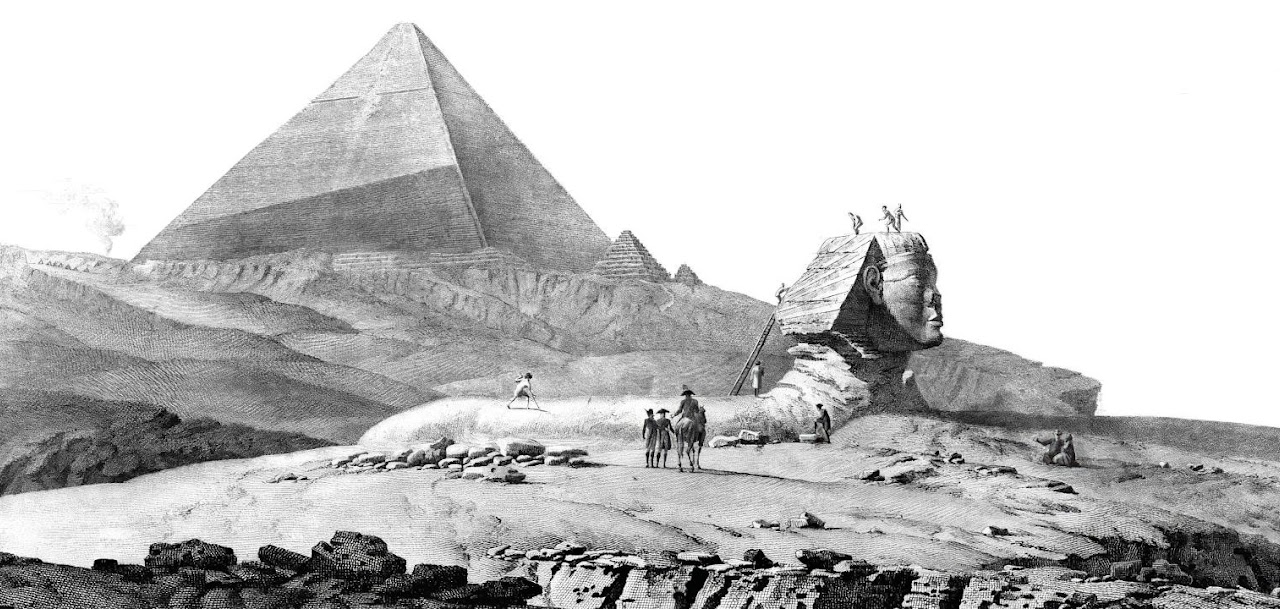
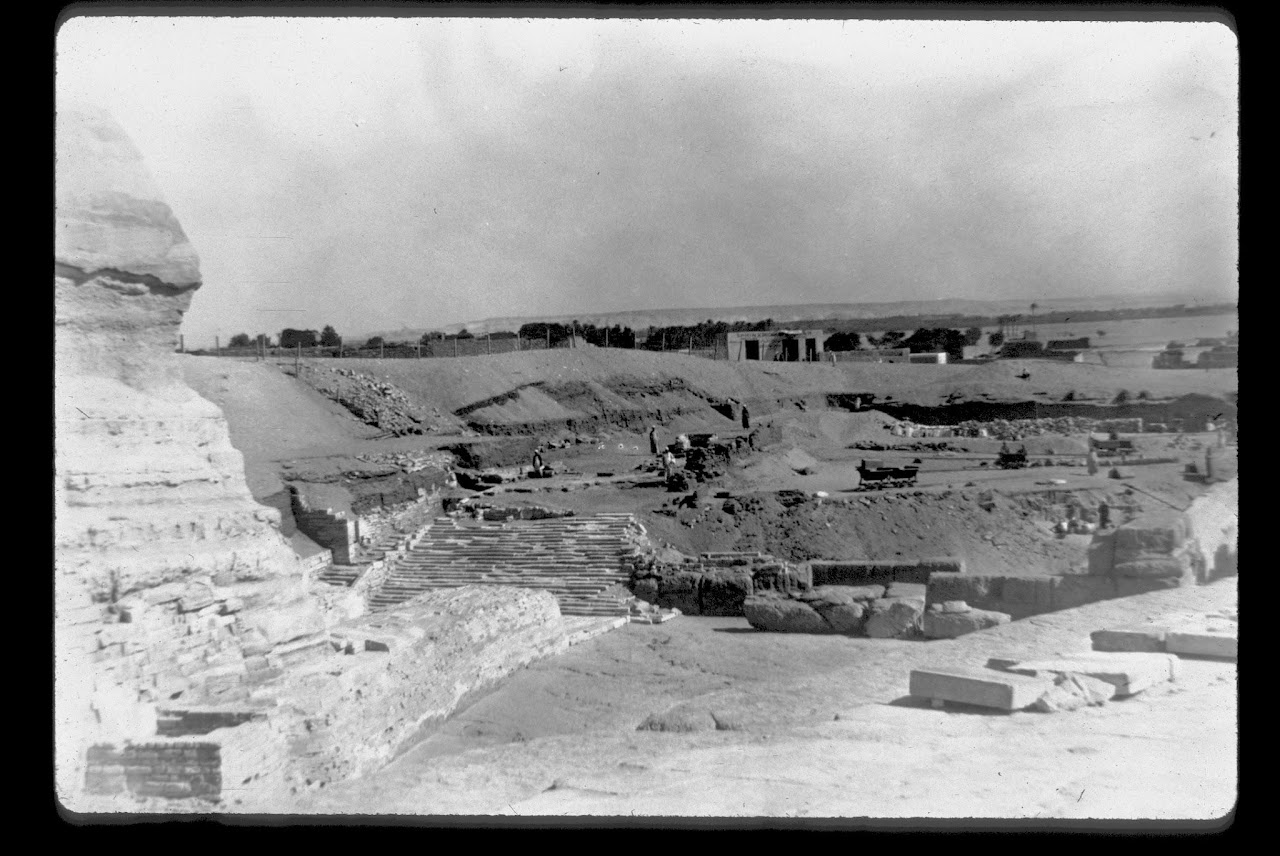
The Romans built around it
The Sphinx was not merely an Old Kingdom relic surrounded by empty desert.
In the Roman period, substantial structures stood in front of the monument, including a monumental stairway, paved areas and inscriptions. Parts of this later landscape were excavated in the nineteenth and twentieth centuries and then disappeared again through excavation, clearance and alteration of the site.
Old photographs preserve evidence for features that are no longer easy to appreciate on the ground today.
This is one of the recurring pleasures — and frustrations — of Sphinx research: sometimes an old drawing or photograph preserves something that the modern visitor can no longer see.
A monument that keeps changing its story
The Great Sphinx is familiar enough to feel almost self-explanatory. It is anything but.
Its conventional history places it in the Fourth Dynasty, probably in the reign of Khafre. Its surviving inscriptions tell us much more about later Egyptians who rediscovered, cleared and worshipped it than about the people who first carved it. Its body bears the marks of geology, erosion and repeated restoration. Its damaged head has been interpreted as king, god, man, woman, lion, jackal and falcon. Real openings have generated stories of hidden chambers. Old pictures have preserved vanished structures — and occasionally an apparent second Sphinx.
Some of these questions may eventually find convincing answers. Others may remain open. Either way, the Great Sphinx rewards curiosity.
The purpose of this site is to bring together the photographs, drawings, excavation reports, measurements, historical accounts and competing interpretations so that you can explore the evidence for yourself.
Start exploring: Frequently Asked Questions Tunnels & Original Research Historical Image Archive Books and Articles