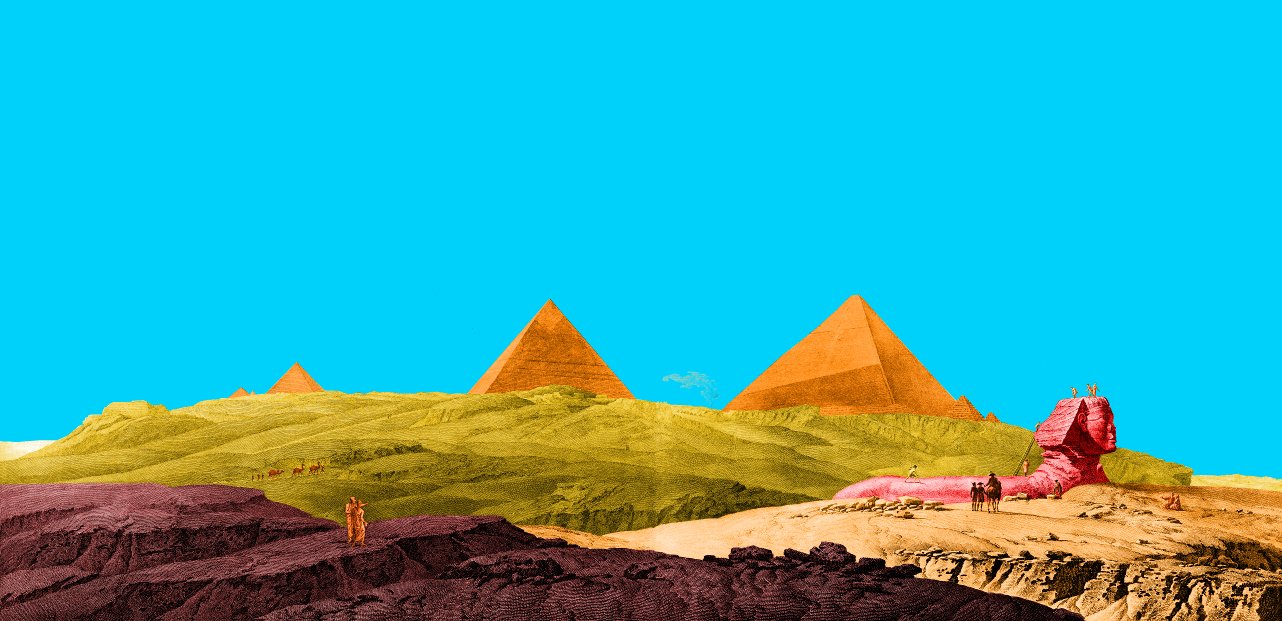
Images of the Great Sphinx of Giza (FAQ Image Index)
An index of the supporting images, most in larger format, of the Great Sphinx of Giza, relating to frequently asked questions.
This page presents a curated collection of images of the Great Sphinx of Giza, including historical illustrations, archaeological details, and visual references used throughout the FAQ.
Each image links to a dedicated page with further detail and context.
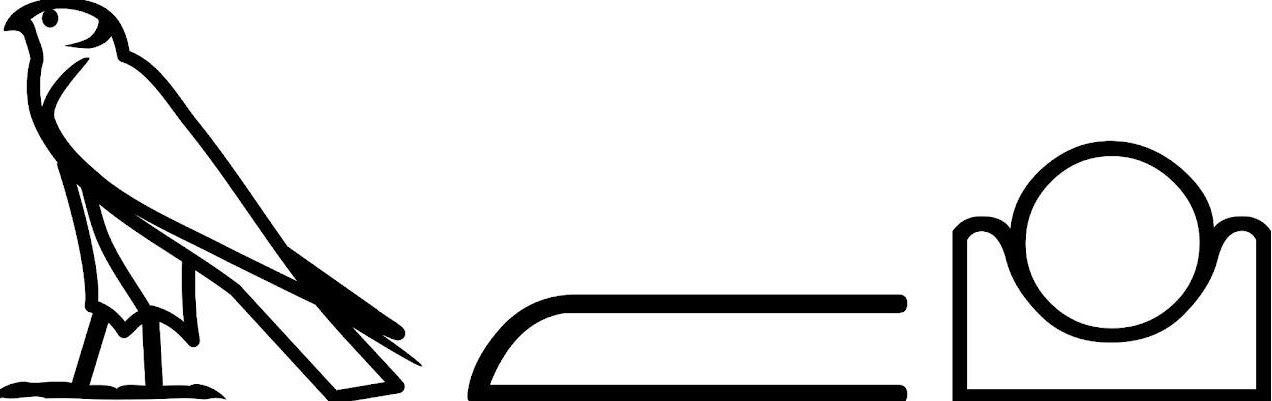
The hieroglyphic form of the name of the Great Sphinx of Giza, Horemakhet, is observed on inscriptions from the 18th dynasty of Ancient Egypt onwards.
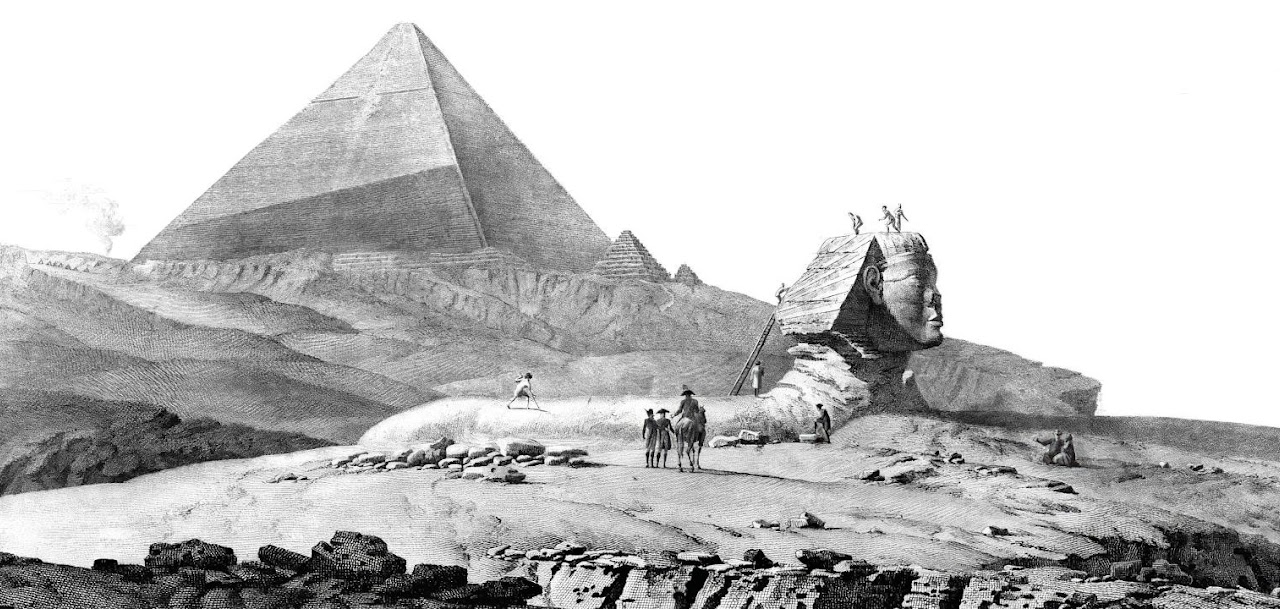
Iconic illustration of the Great Sphinx of Giza and the Great Pyramid of Khufu illustrated during Napoleon’s Egyptian expedition (1798–1801), and later published in the Description de l’Égypte (1822)
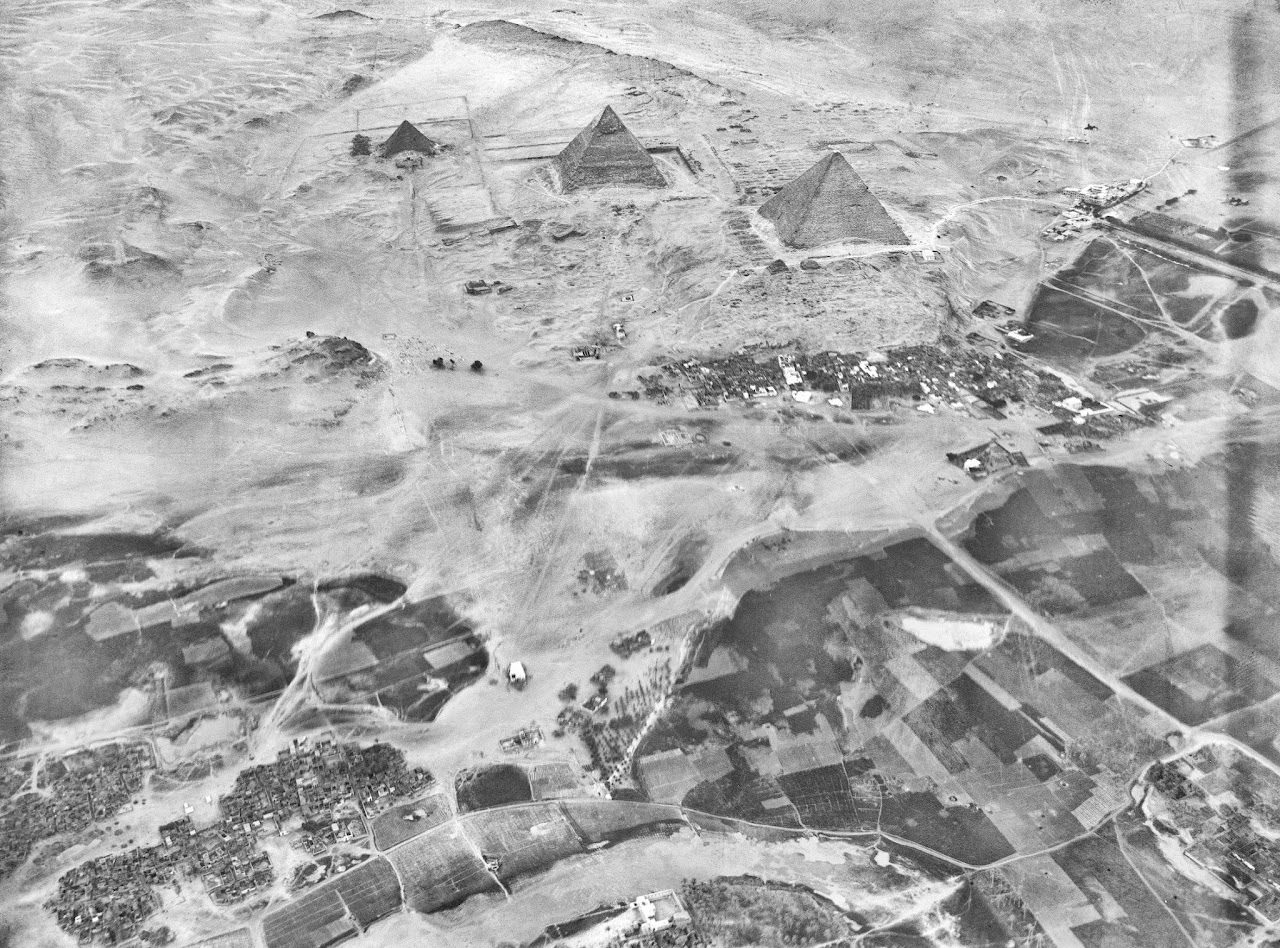
Aerial photograph of the Great Sphinx and pyramids of the Giza Plateau prior to the 20th century expansion of the city of Cairo
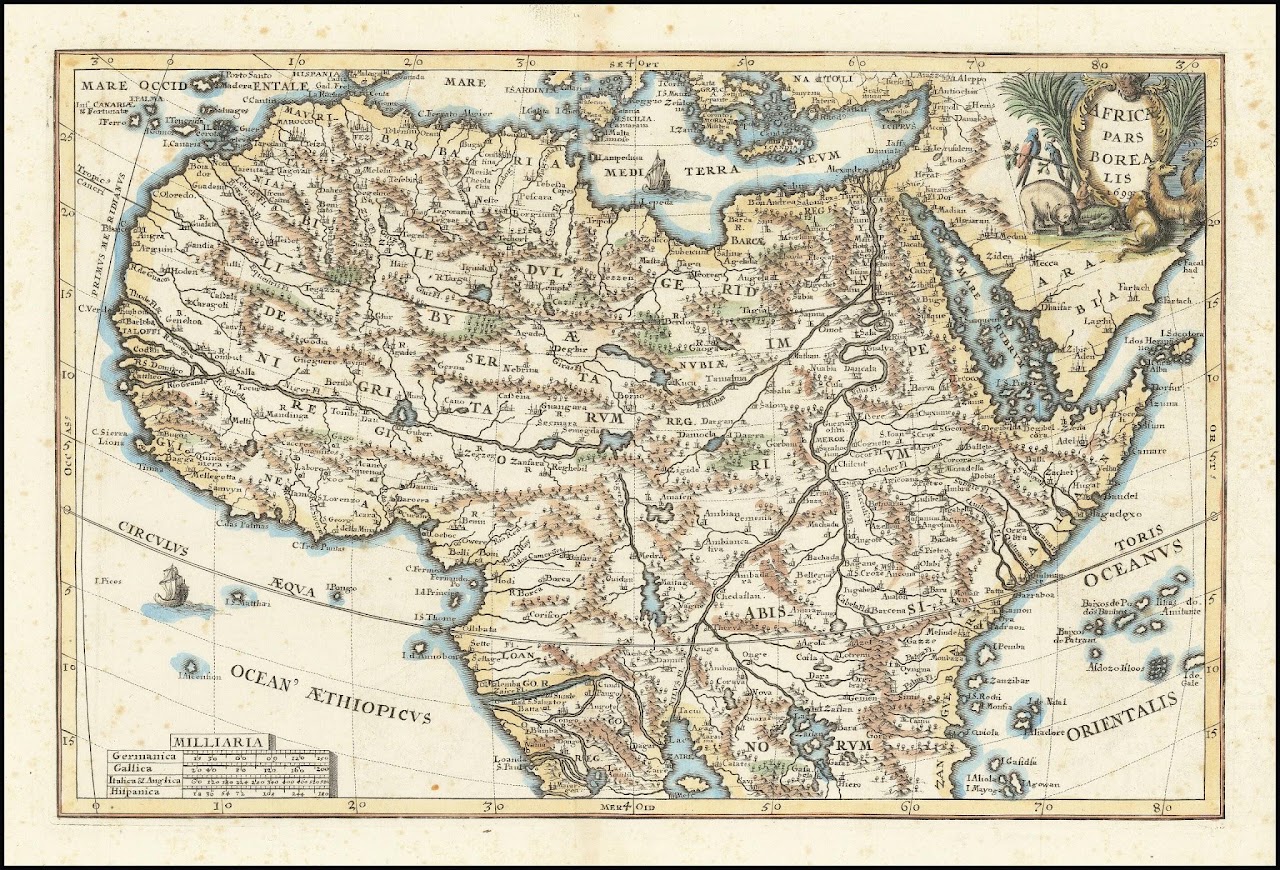
17th Century Map of the continent of North Africa showing Egypt in the North East corner
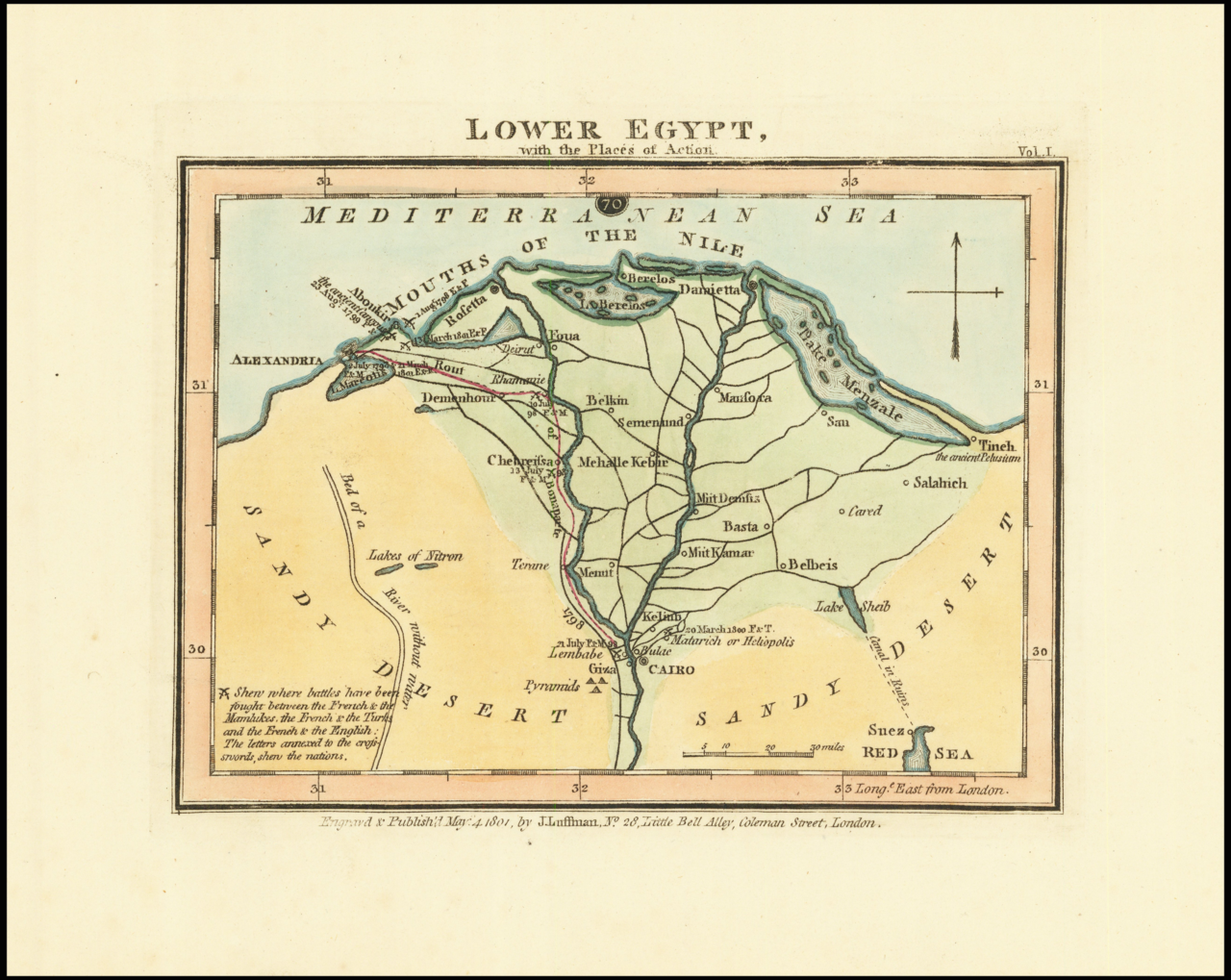
A turn of the 19th century map showing the relative location of the Giza Plateau at the northern end of the Nile Valley where it becomes the Southern limit of the Nile Delta.
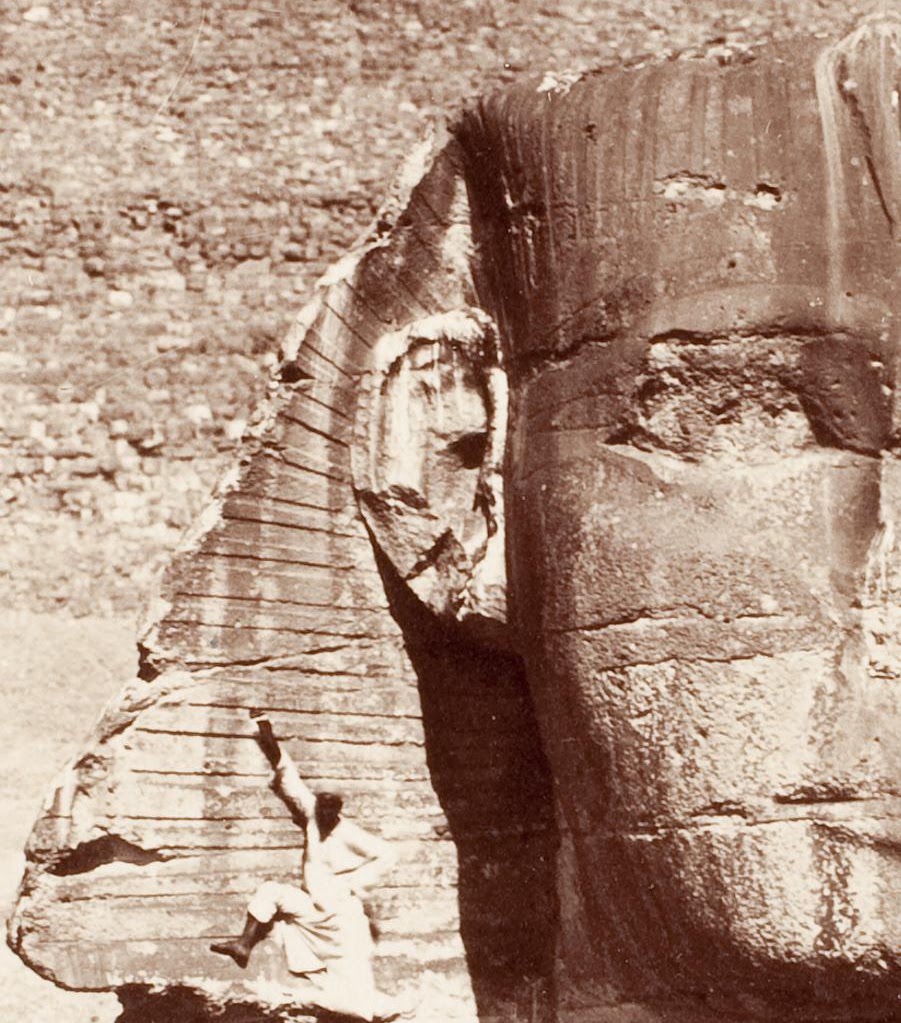
The immense scale of the Great Sphinx of Giza is clearly indicated in this detail from an early photograph of the monument. A man is dwarfed by the massive size of the Sphinx’s head alone.
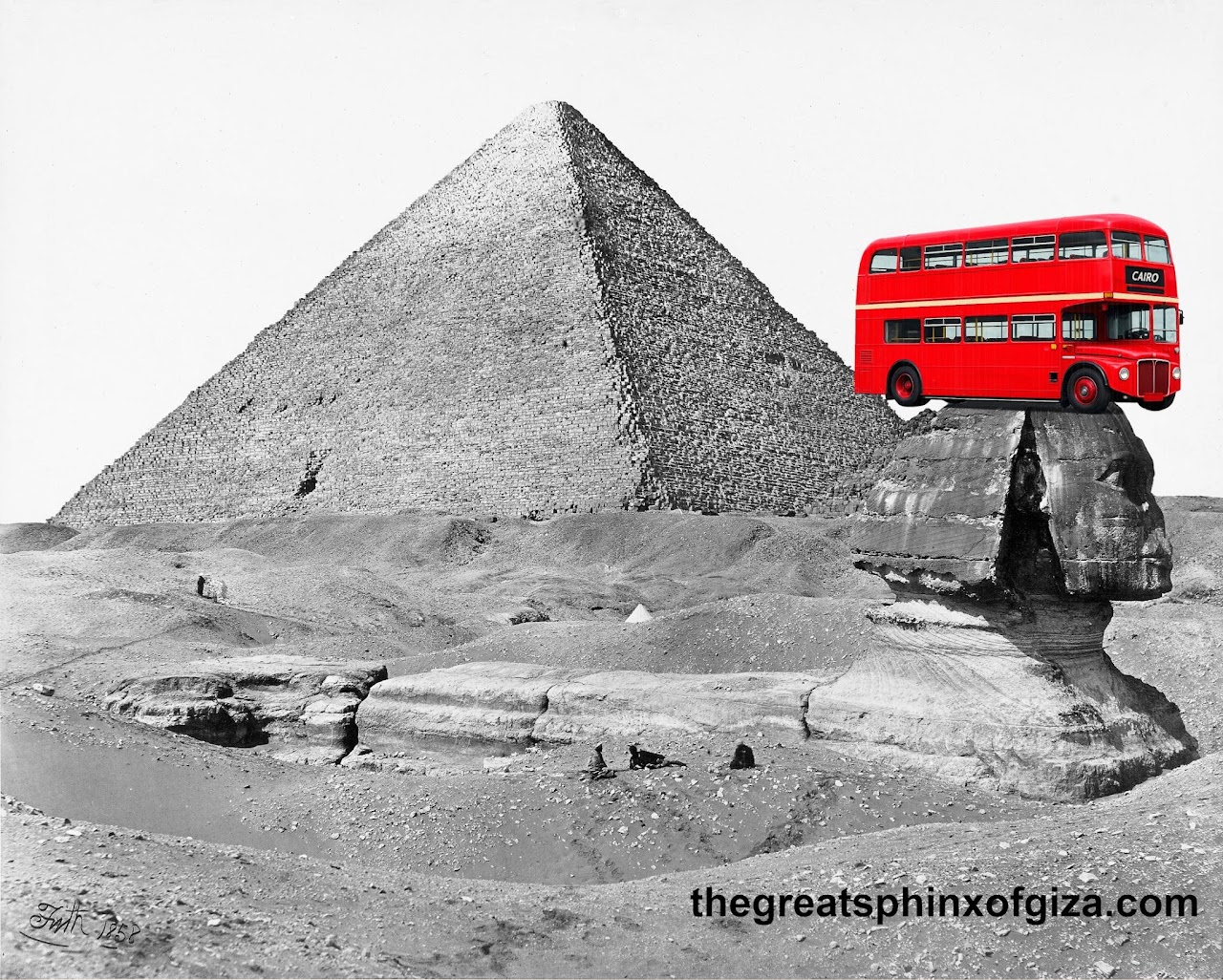
A London Double-Decker bus sits atop the head of the Great Sphinx of Giza, revealing the true enormity of the sculpture.
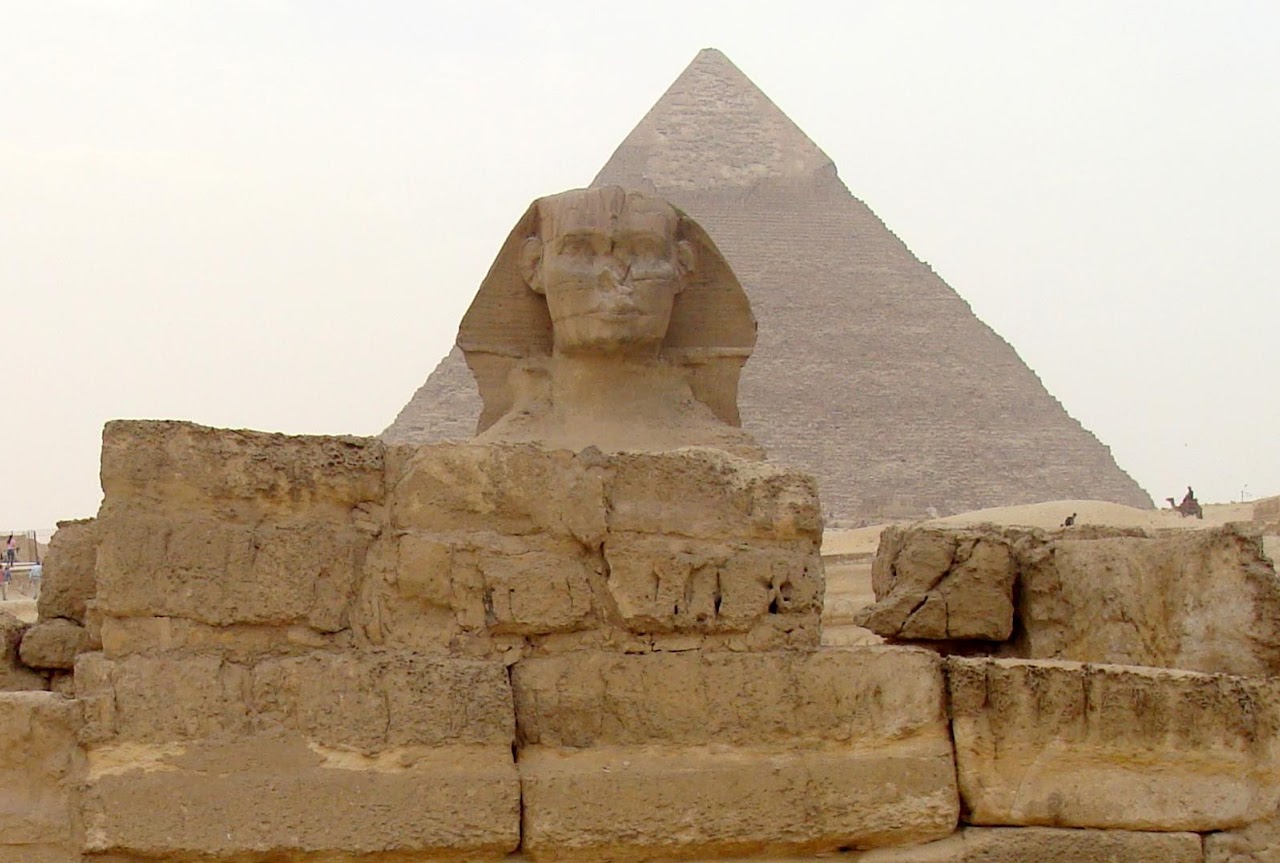
The limestone blocks of the Sphinx Temple immediately east of the monument are cut from the same bedrock as the Great Sphinx of Giza.
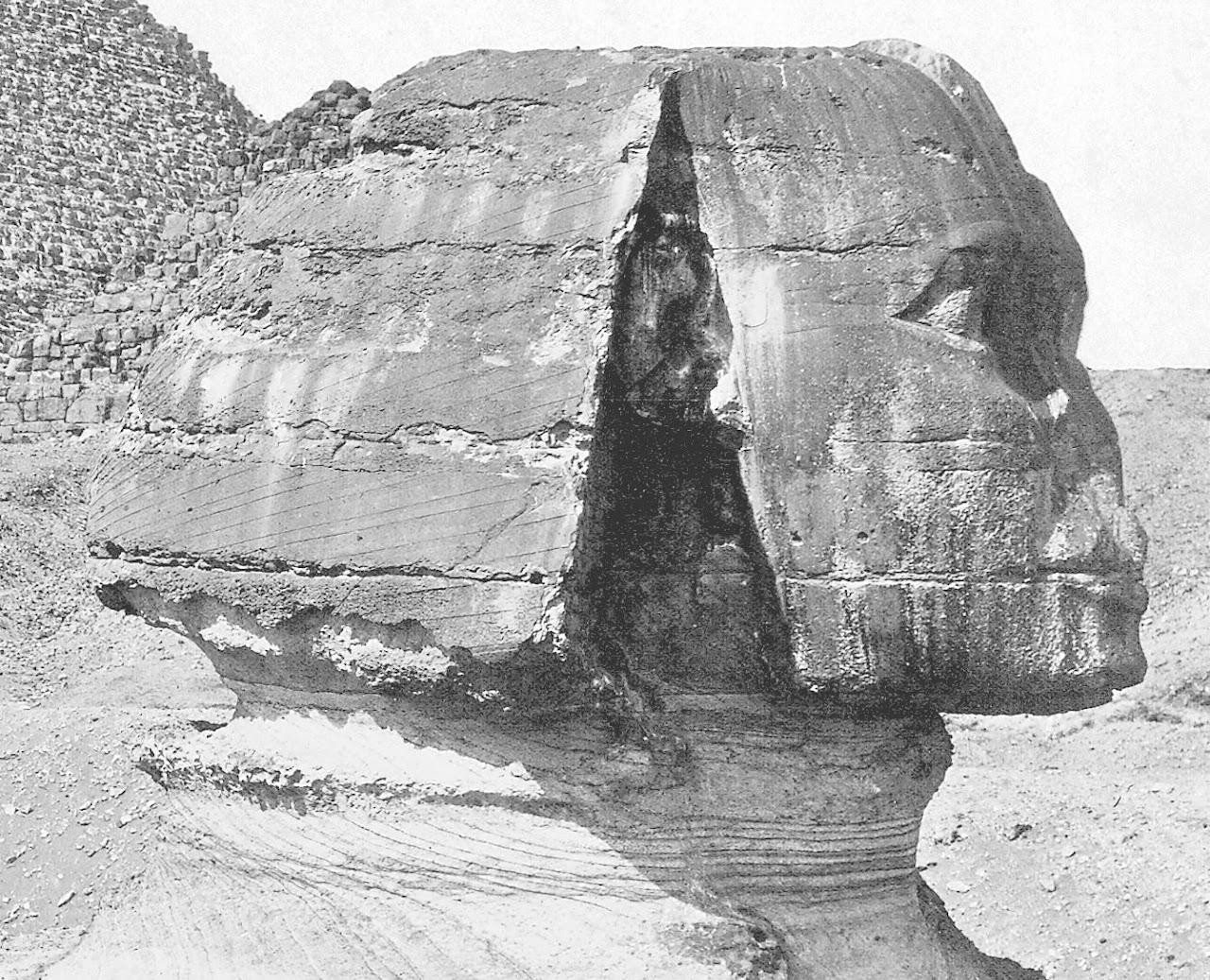
Weathering on the bedrock of the Great Sphinx’s head has exposed the banded structure of the limestone from which it is carved.
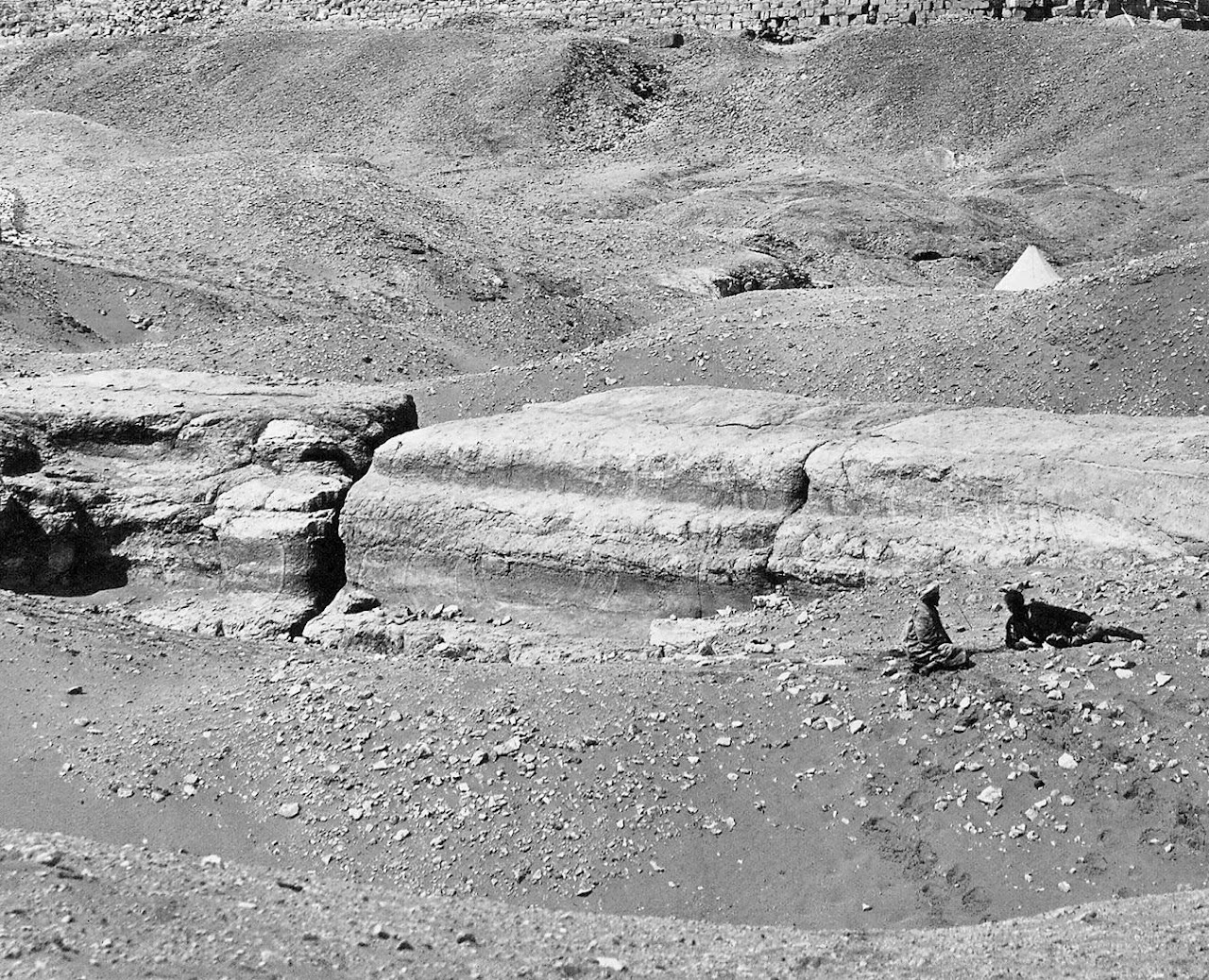
Undulating horizontal lines on the back of the Great Sphinx reveal its underlying limestone core.
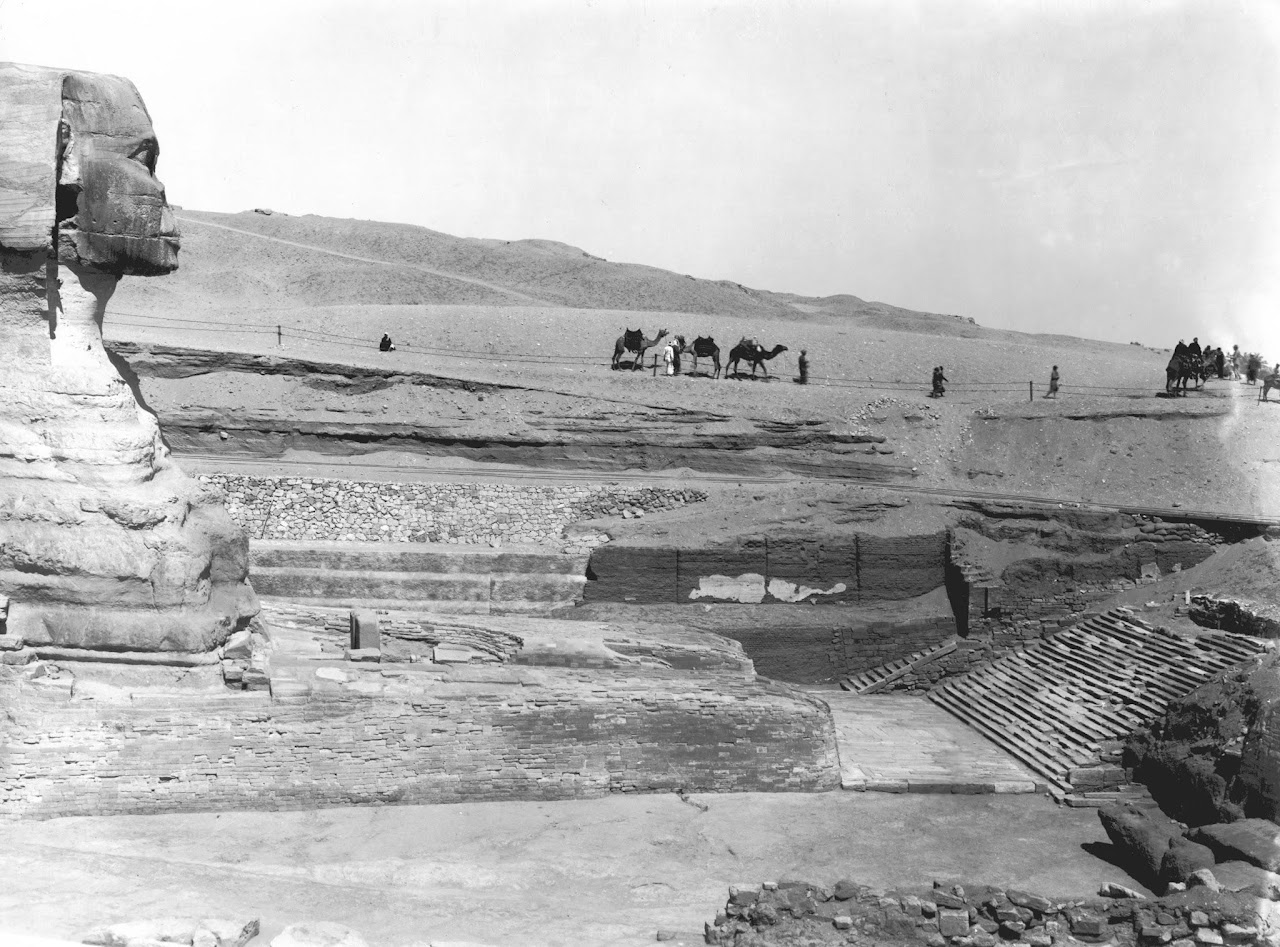
The Great Sphinx viewed from the South during Bariaze’s excavation and restoration work illustrates millennia of repairs and alterations to the monument and its surroundings.
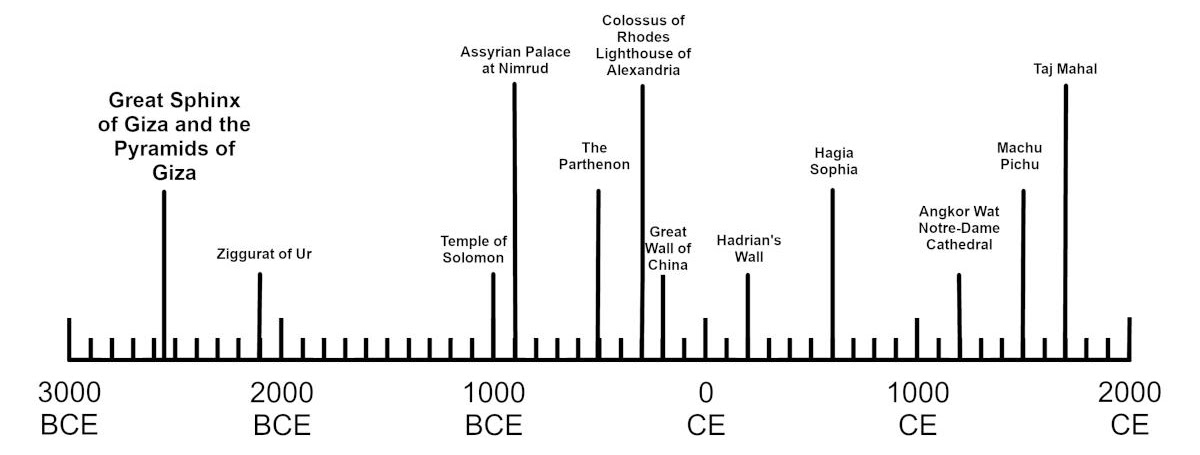
A timeline of the date of construction of some of the world’s greatest monuments.
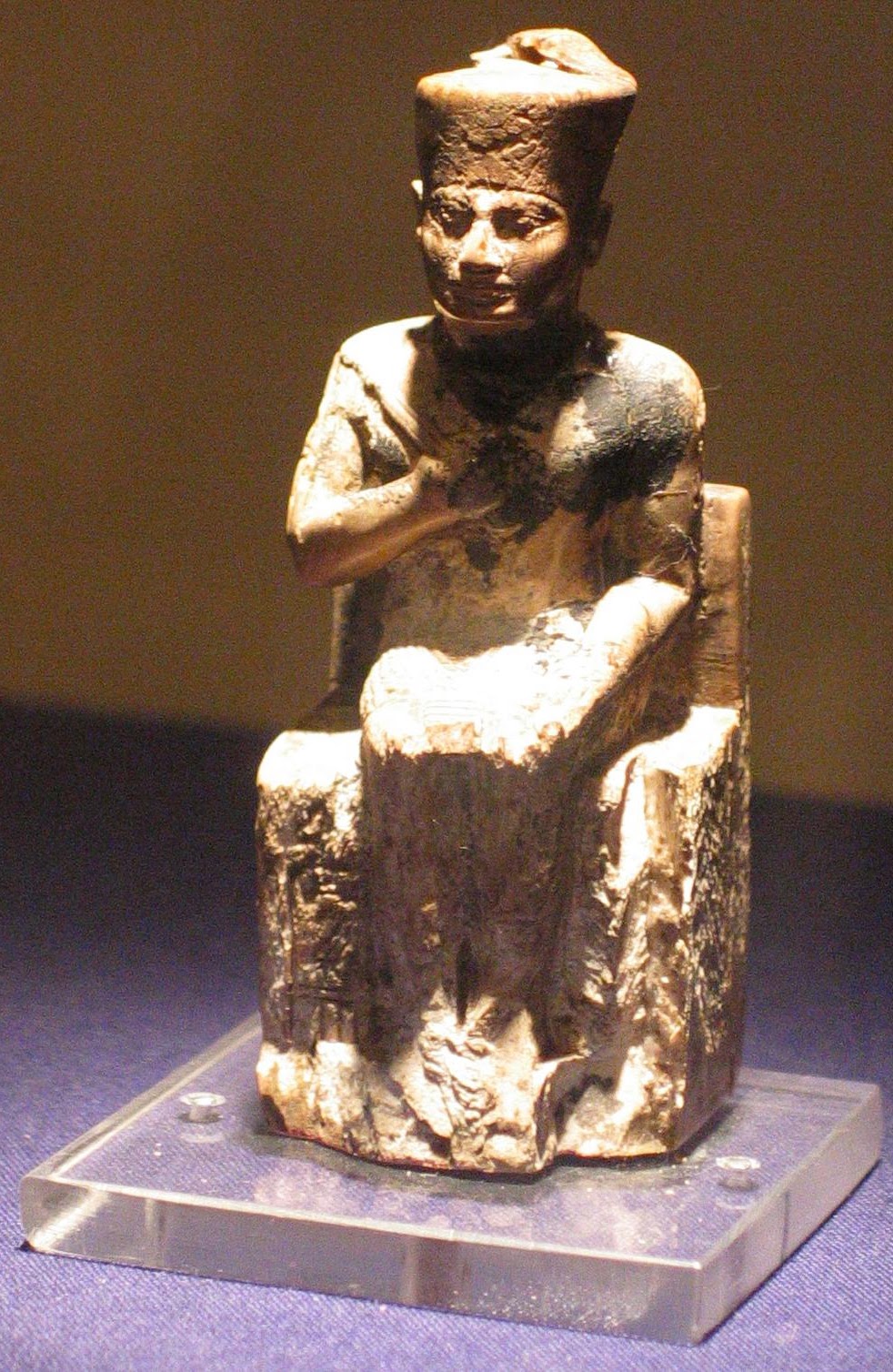
A rare statue of the Pharoah Khufu, builder of the Great Pyramid, who some believe built the Great Sphinx of Giza.
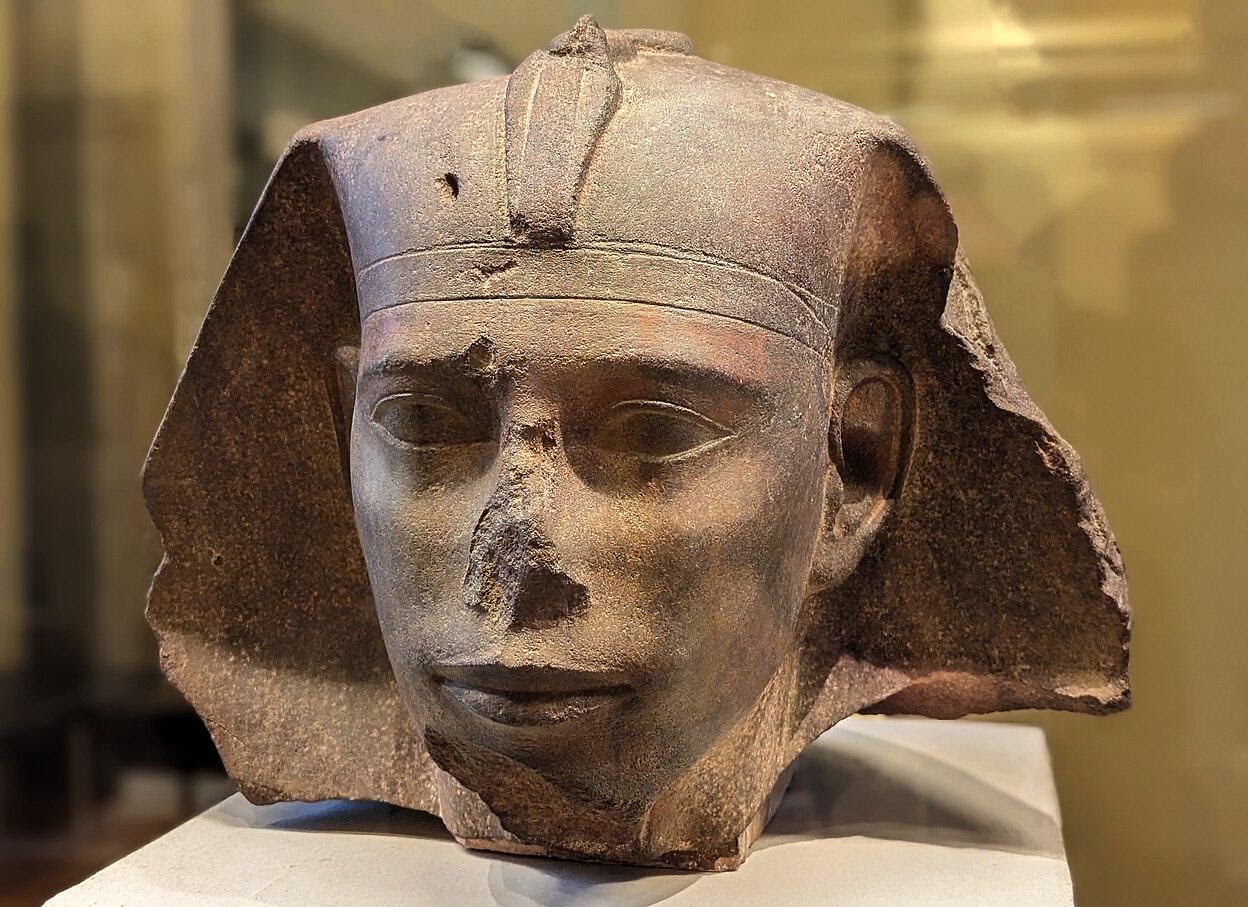
The head of a statue of Djedfre, the son of Khufu. Some researchers believe he built the Great Sphinx of Giza.
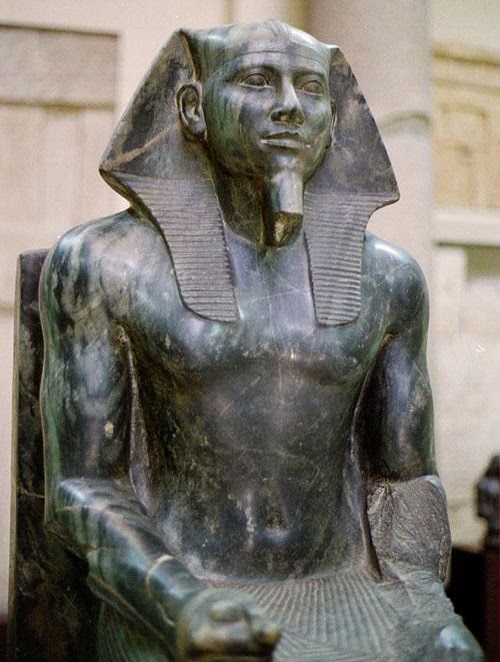
A statue of the Pharoah Khafre, a son of Khufu and the brother of Djedefre who is considered to be the mostly like builder of the Great Sphinx
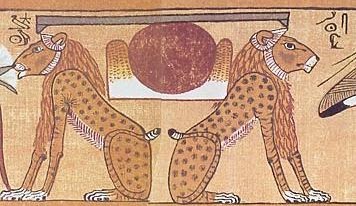
A representation of Aker, the double lion or sphinx motif from the New Kingdom papyrus of Ani.
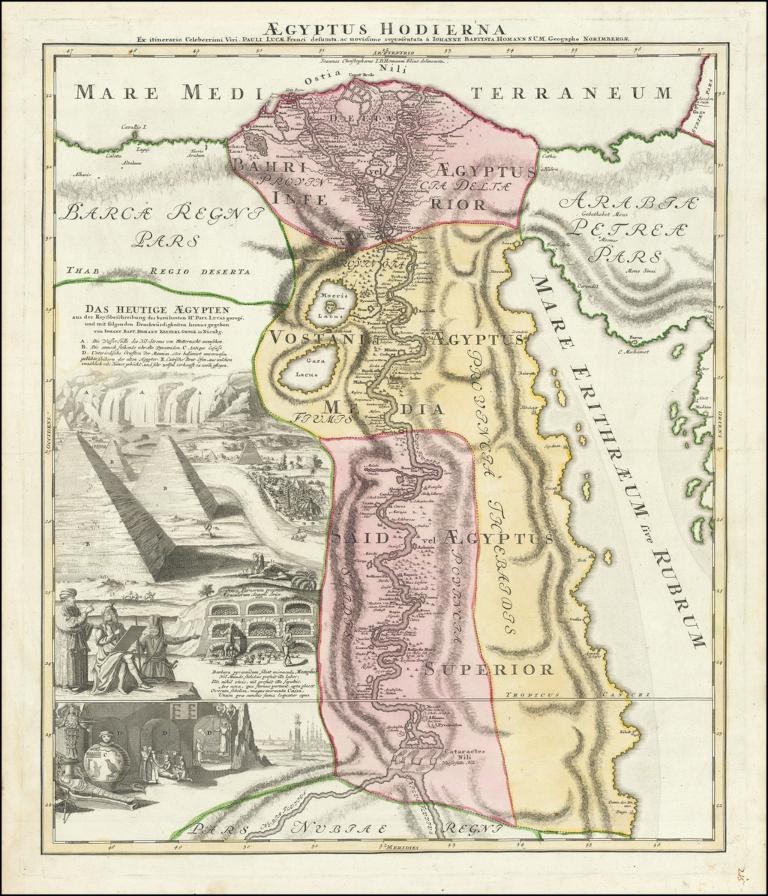
Detail from an early 18th-century map illustrating the Pyramids of Giza, showing two sphinx-like forms facing opposite directions nearby.
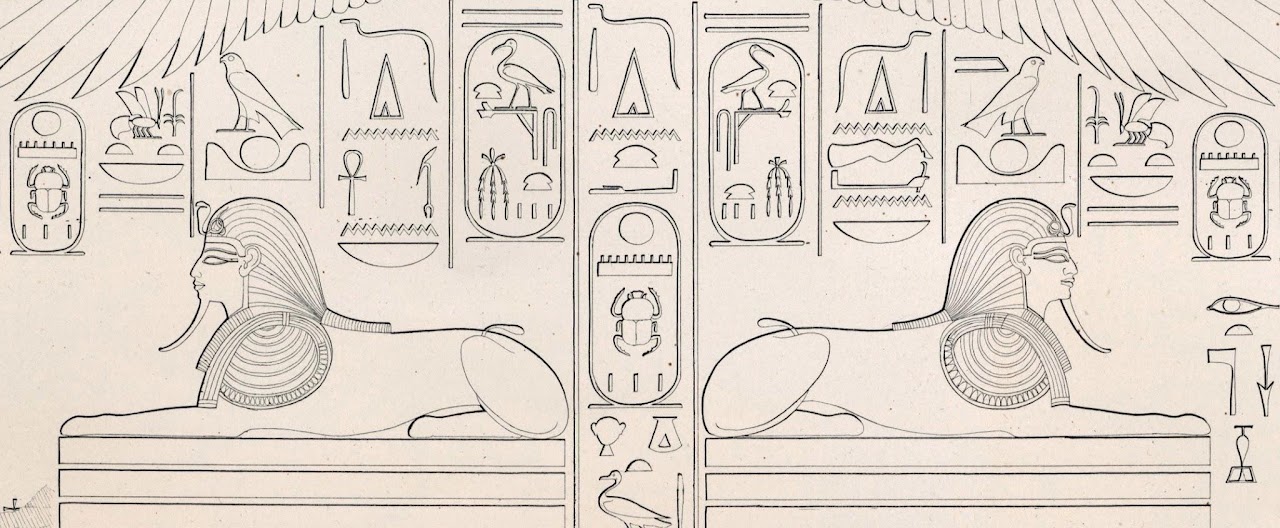
A detail from the Dream Stele of Thutmose IV depicts two Sphinxes back-to-back.
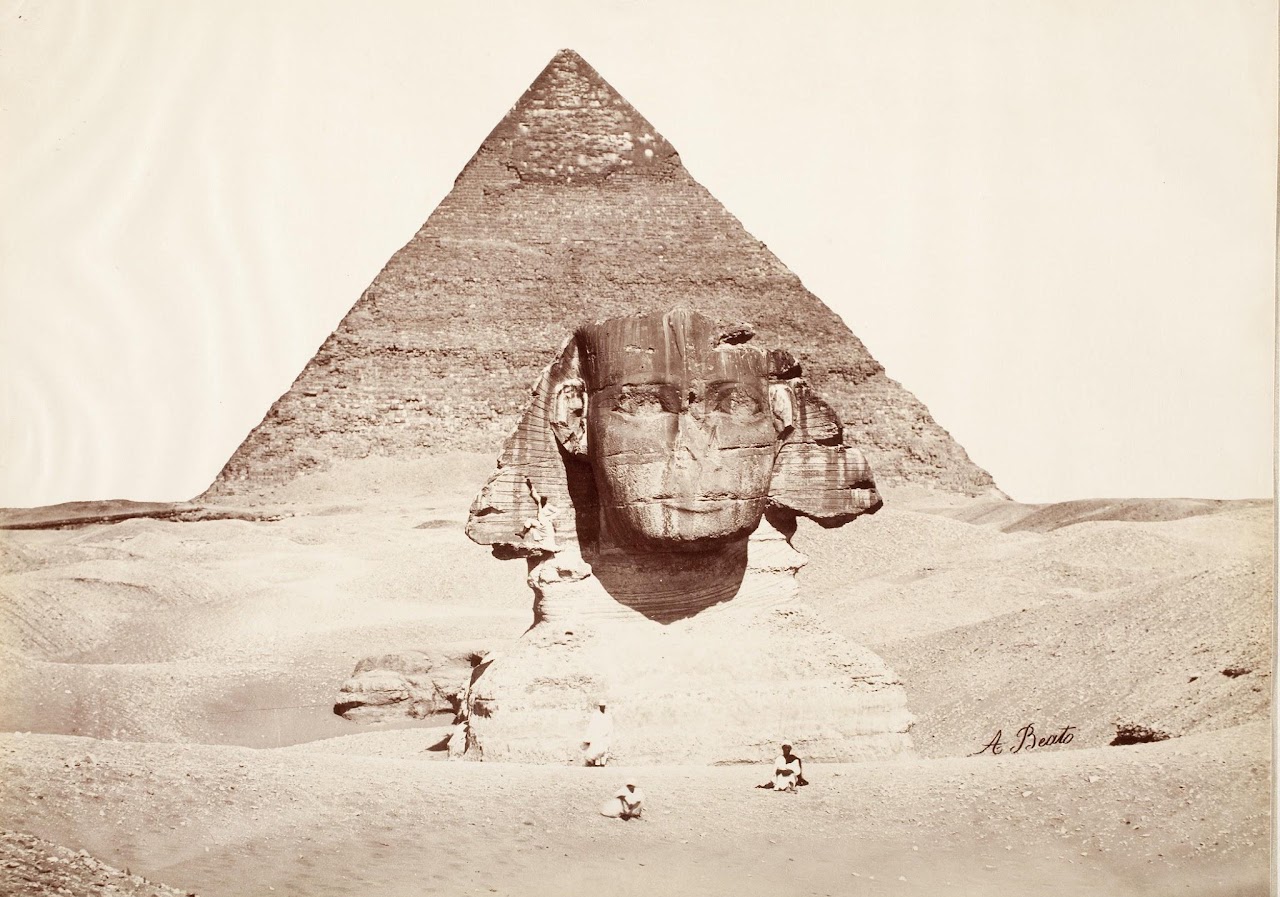
In this early photograph the head of the Great Sphinx of Giza is framed by the pyramid of Khafre to the west.
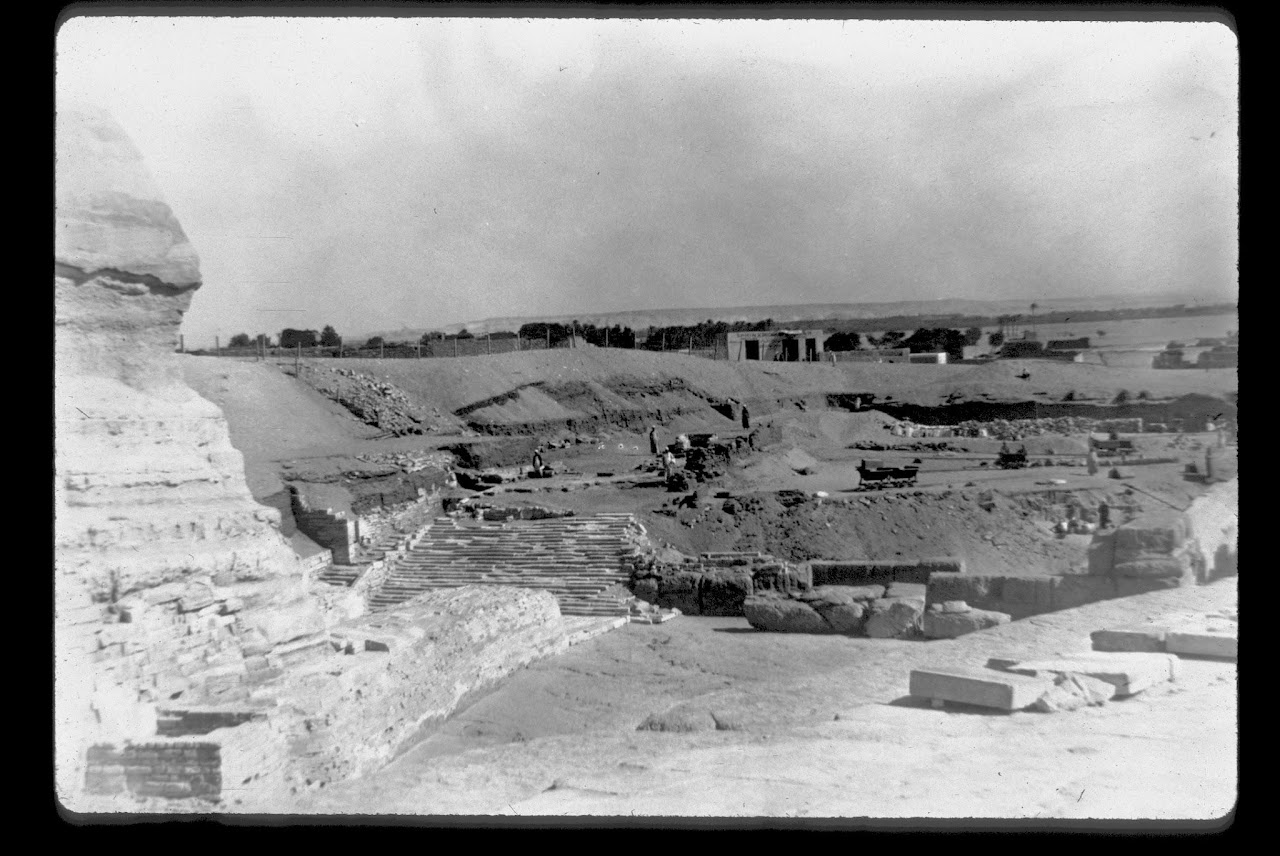
Excavation work in the 1920s perpetuated the multiple phases of alteration and restoration of the Great Sphinx from the 3rd Millenium BCE to the present.
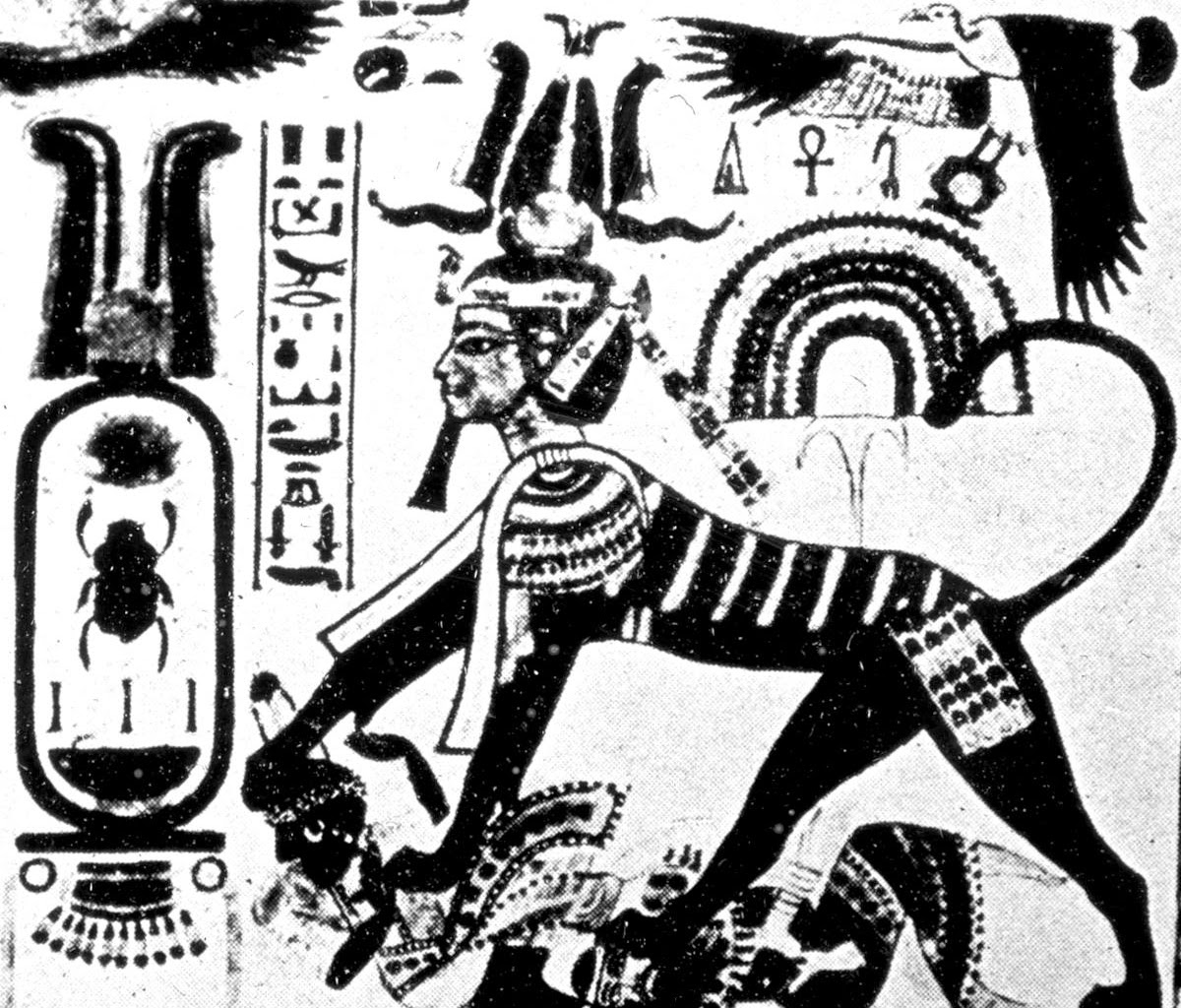
Tuthankhamun as a sphinx trampling on the enemies of Egypt as they fall
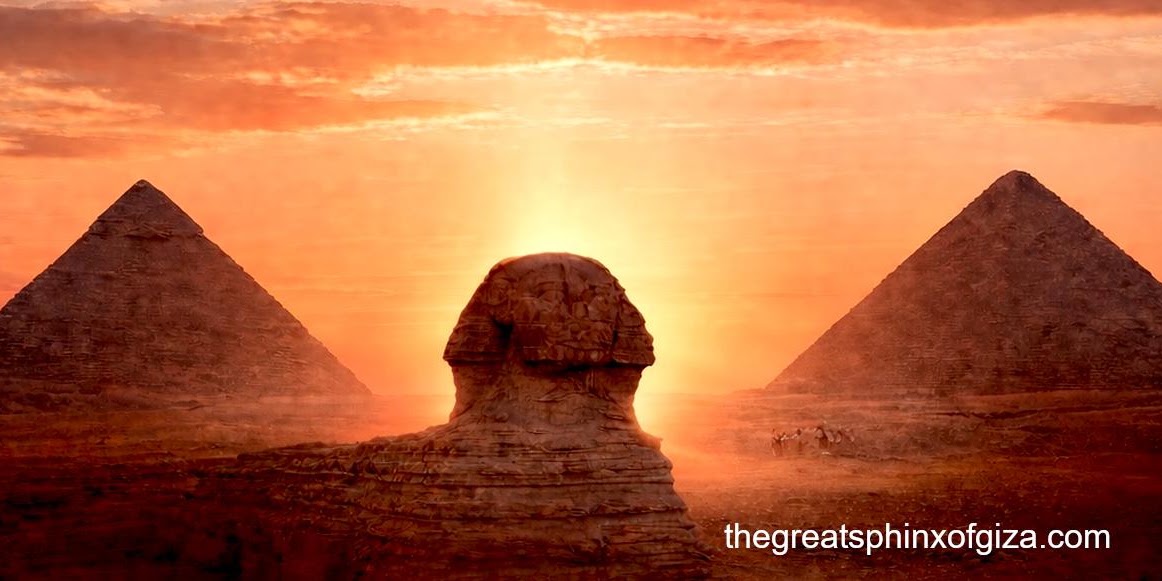
A reconstruction of the the summer solstice sun setting behind the head of the Great Sphinx

The ancient Egyptian hieroglyph representing the horizon, akht.
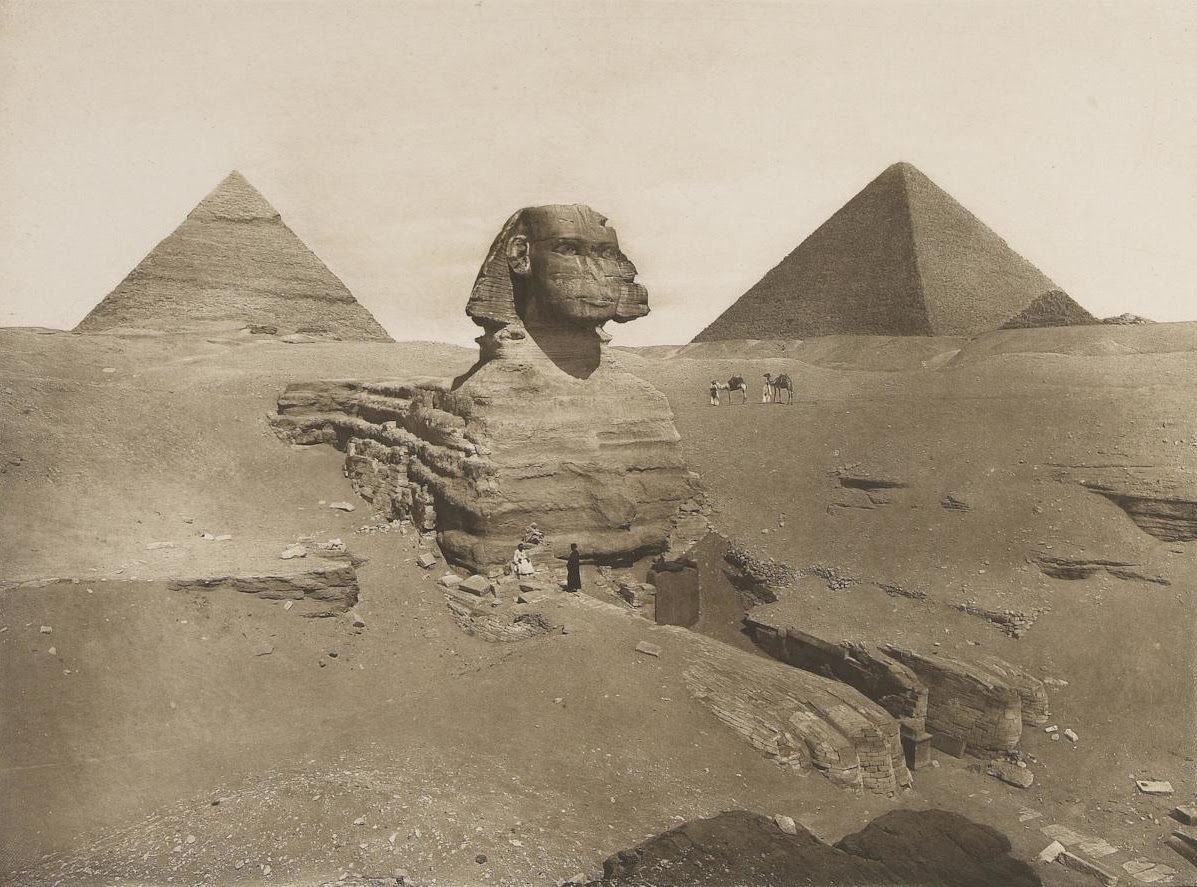
An early photograph of the Great Sphinx of Giza partially exposed from the sand.
The face of the Pharaoh Khafre from a statue in the Cairo Museum.
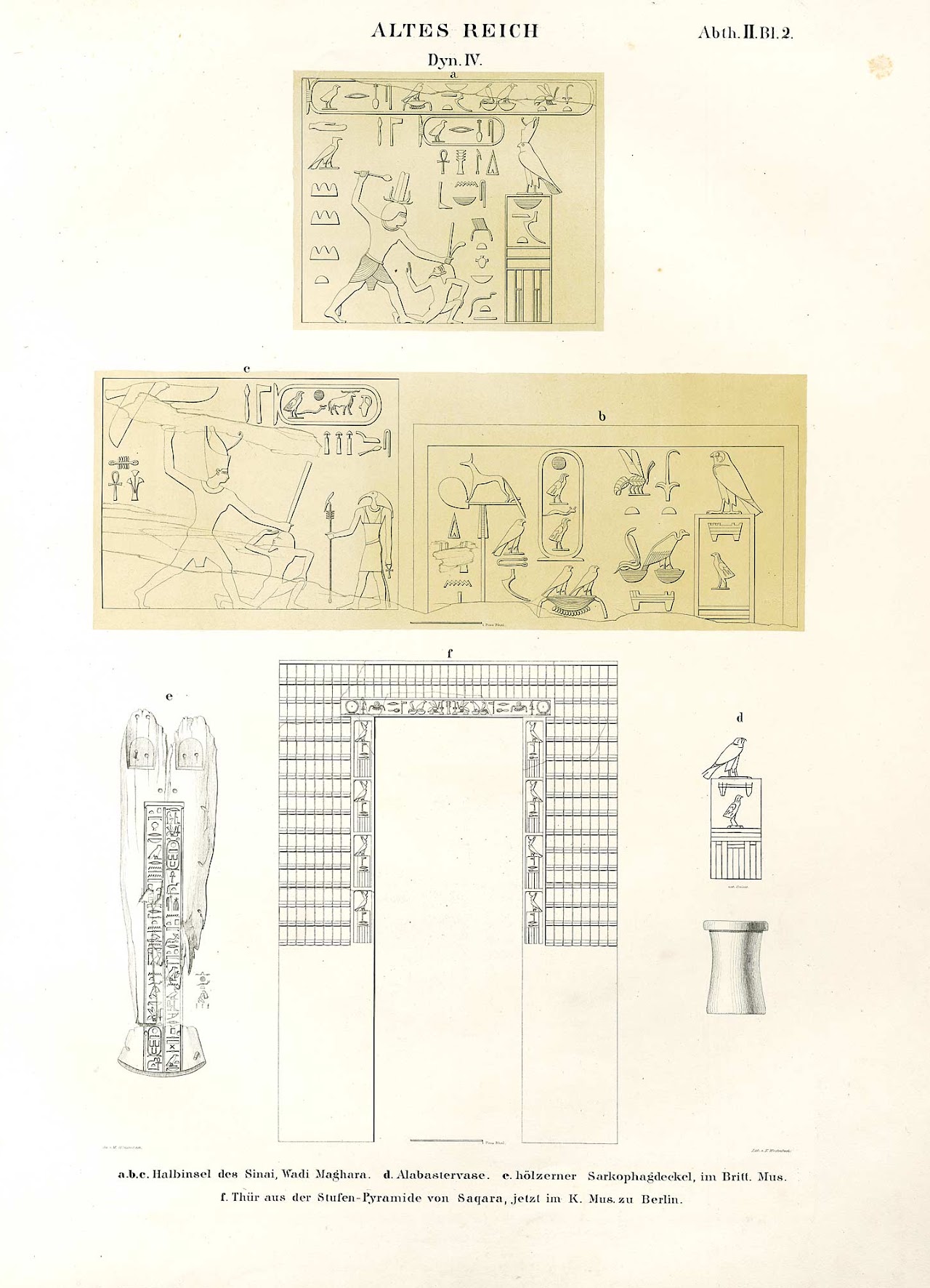
Khufu illustrated in the traditional smiting pose of a Pharaoh.
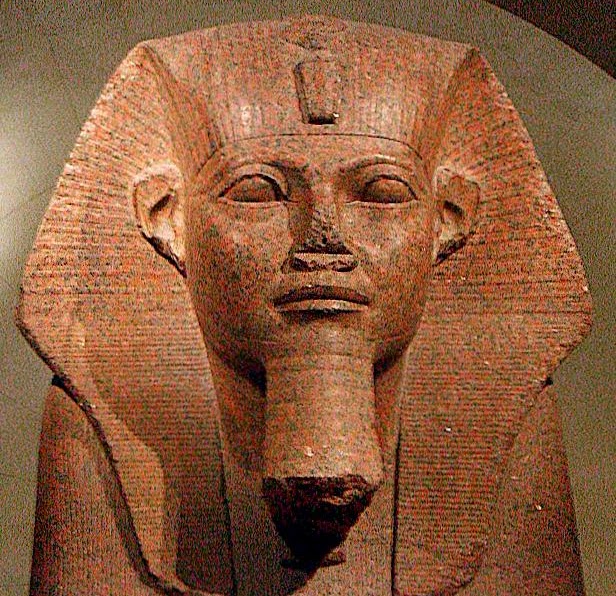
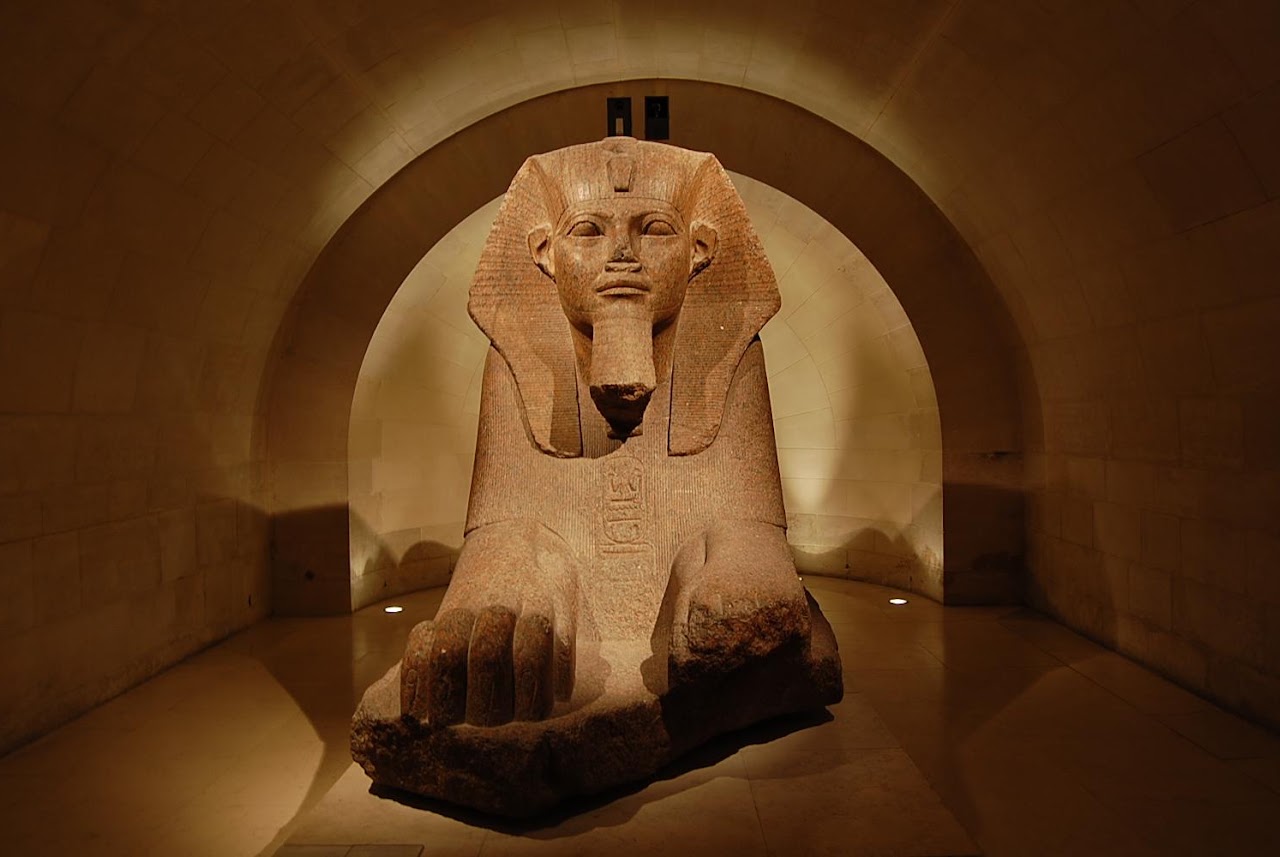
The face of Amenemhat II. Some researchers have argued that the Great Sphinx was carved in his likeness.
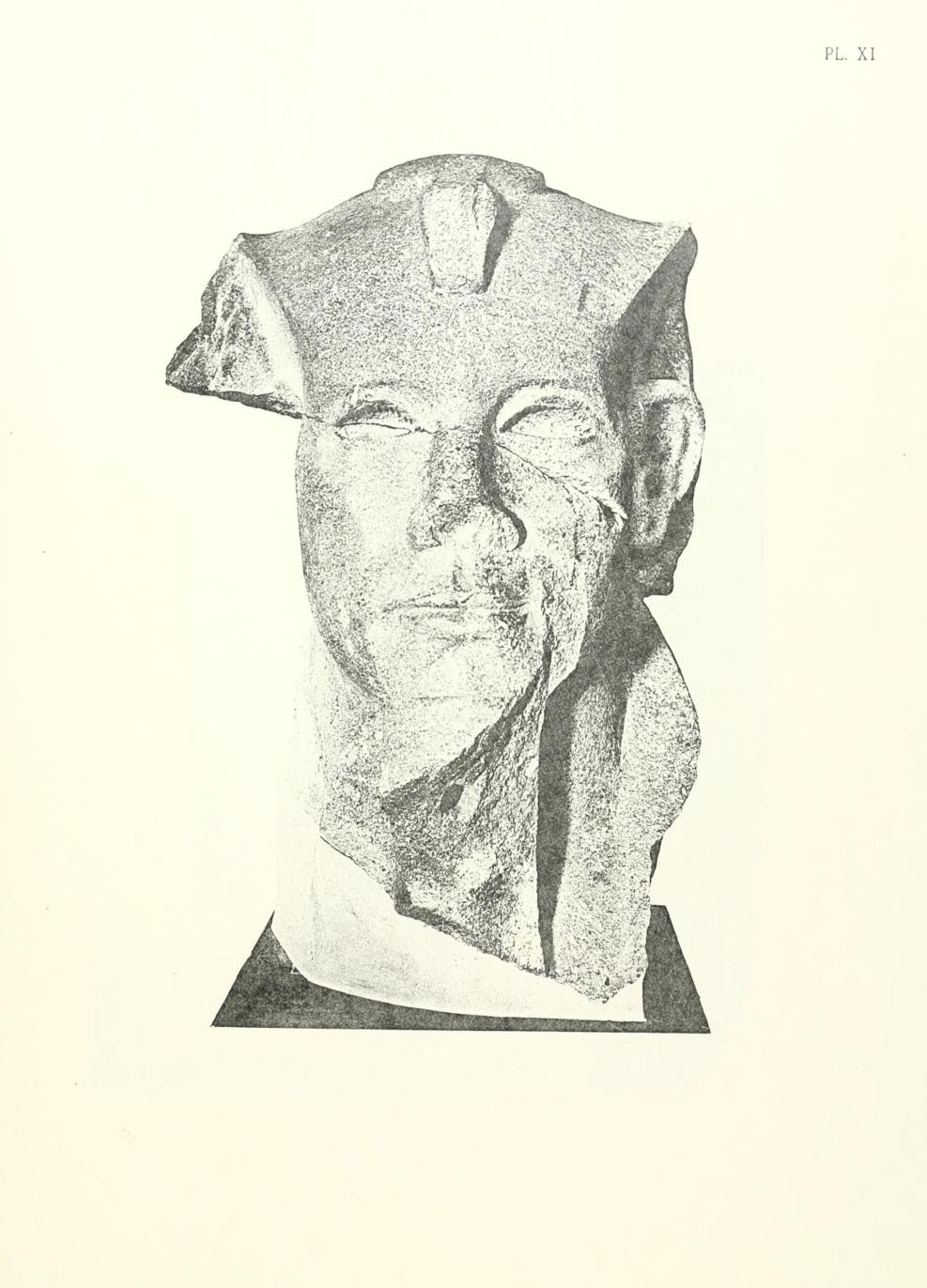
A reconstructed head of a statue of Amenemhat III which, some have argued, is the pharaoh portrayed by the Great Sphinx of Giza
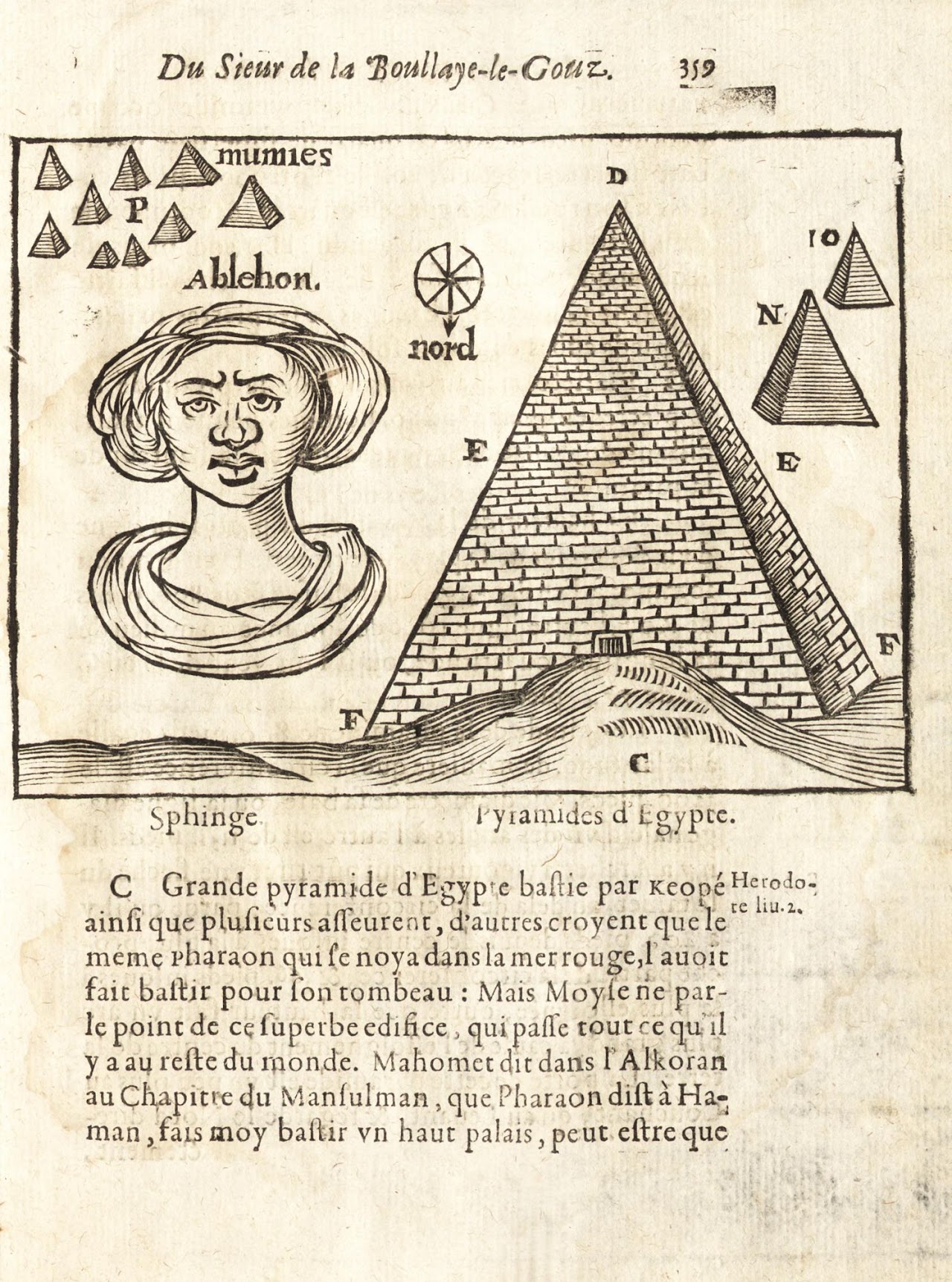
Some early illustrations of the Great Sphinx of Giza, represented it in feminine form.
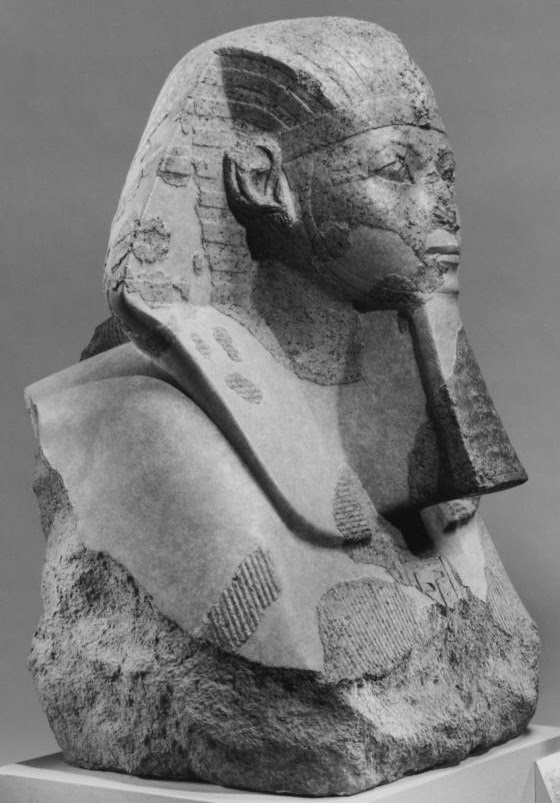
A reconstructed Sphinx of the female Pharaoh Hatshepsut
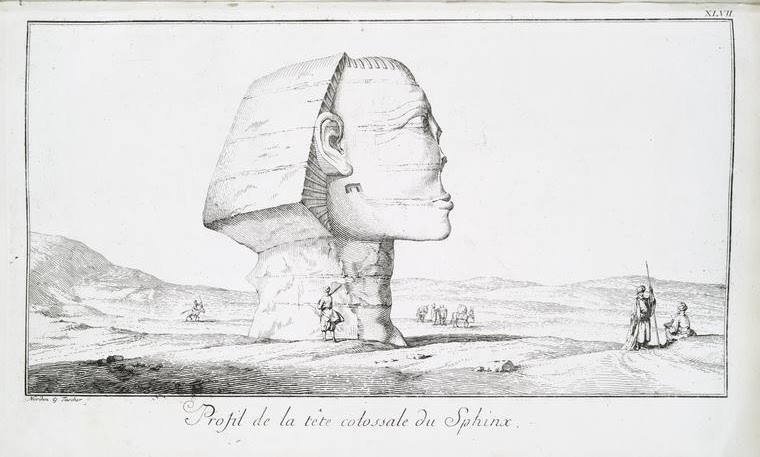
An early illustration of the Great Sphinx with its nose missing.
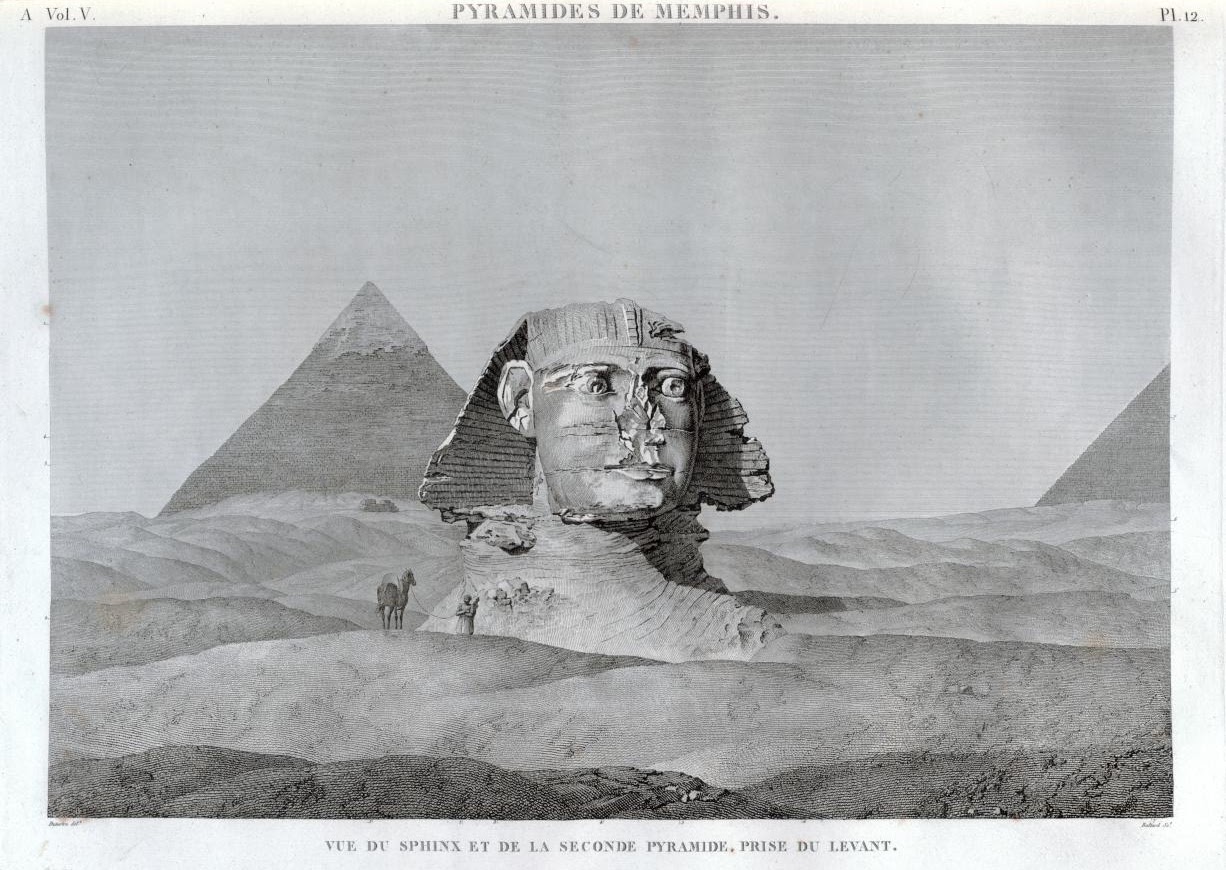
The damage to the nose of the Great Sphinx of Giza is clear in this depiction from the Napoleons Egyptian Expedition.
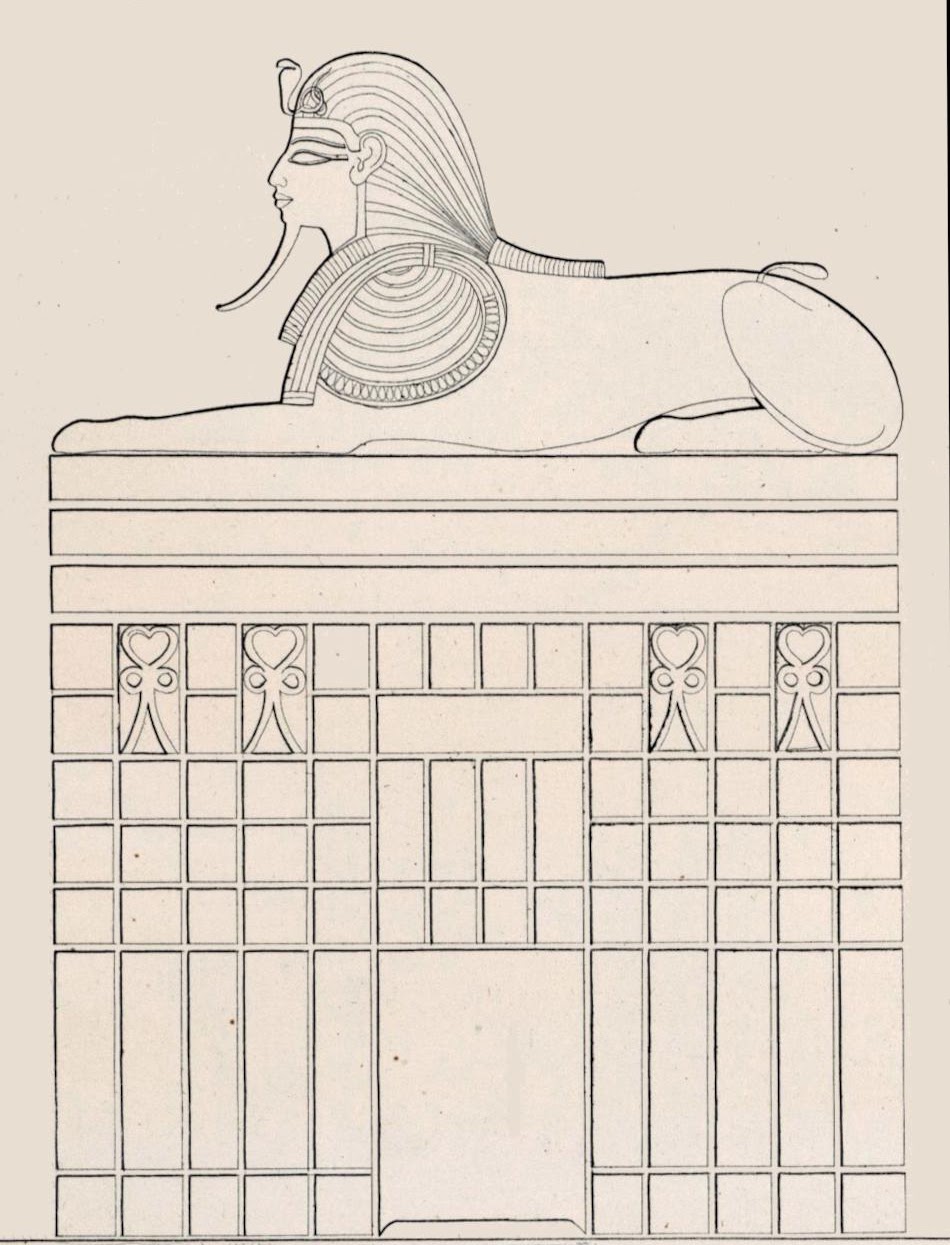
The Sphinxes on the Dream Stele of Thutmose IV rest upon structures illustrated below them.
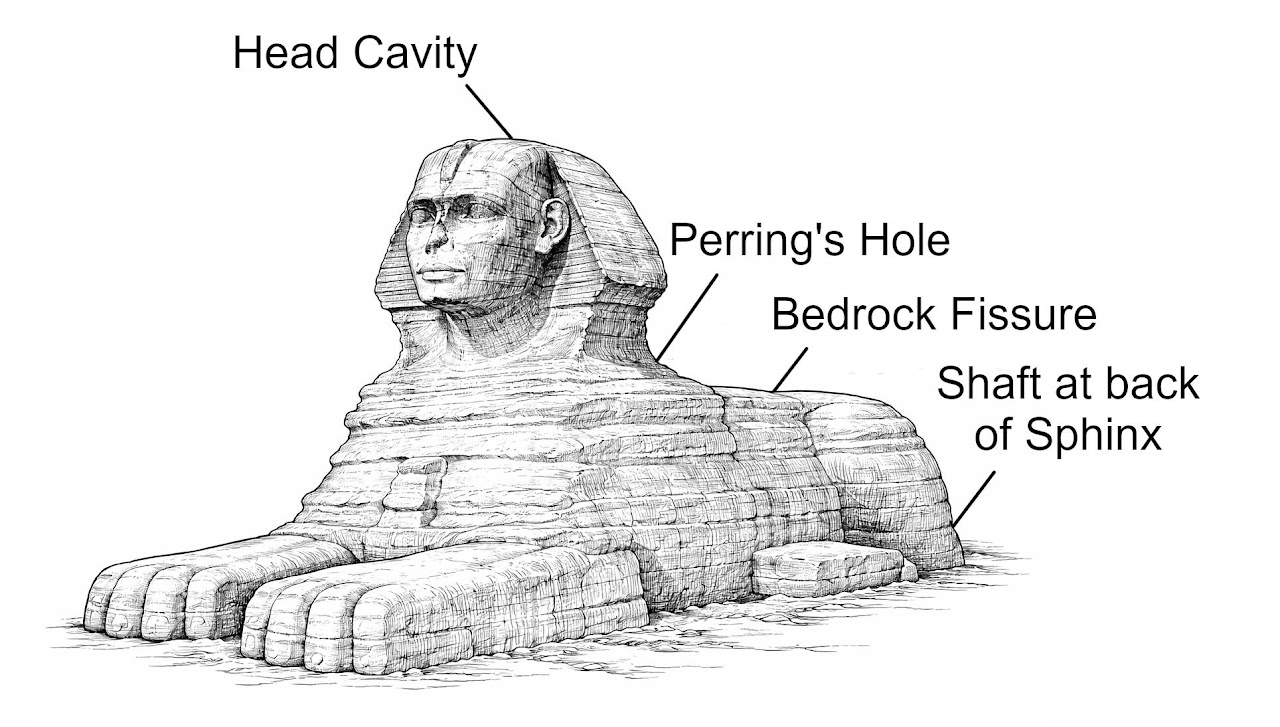
The location of the main tunnels, holes and cavities currently known to exist within and under the Great Sphinx of Giza.
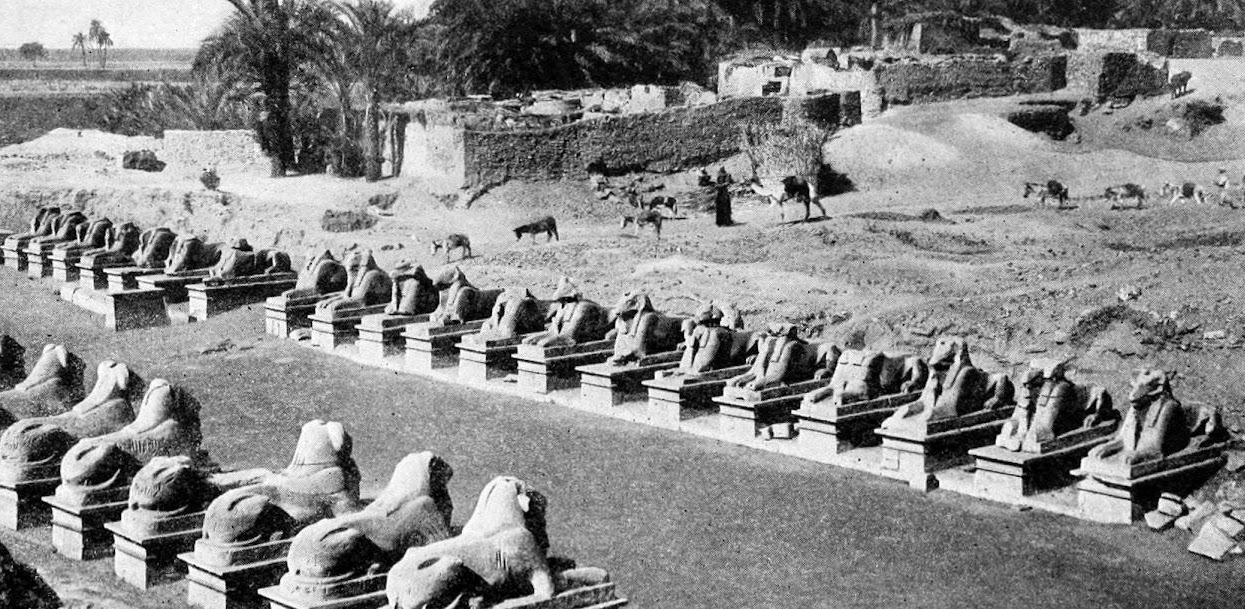
Two rows of Criosphinxes lining a processional way at Karnak