The Great Sphinx Depicted as a Greco-Roman Bust – André Thevet (1556)
The Sphinx portrayed in André Thevet’s Cosmographie de Levant, (1556)
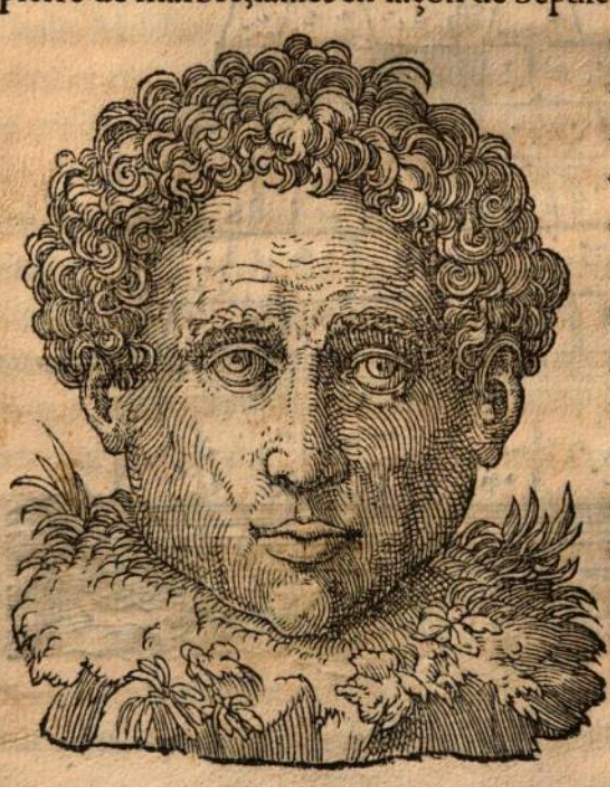
Early European travellers were often unaware of the colossal body of the Great Sphinx buried under the sand.
These travellers therefore often described and depicted the Sphinx as a colossal carved head. In the case of André Thevet, it was even portrayed as a classical Greco-Roman bust.
The accompanying text to this illustration states: "Near these pyramids there is a very large head, which is made of stone. According to the opinion of some, it is the head of a colossus made by Isis, daughter of Inachus, formerly the beloved of Jupiter…"
This interpretation differs subtly but fundamentally from the opinion expressed by Johannes Helfrich in 1582 that the sculpture was "an image of the goddess Isis."
Source: Cosmographie de Levant, (1556) by André Thevet’s
Return to The Tunnels and Chambers of the Great Sphinx Part 1 — Origins